Edition: 4 copies (3/4 available)
Price: upon request
Available at: Museum Shop, Kaiser-Wilhelm-Museum, Krefeld
In collaboration with: Büro für Produktbeschwerung
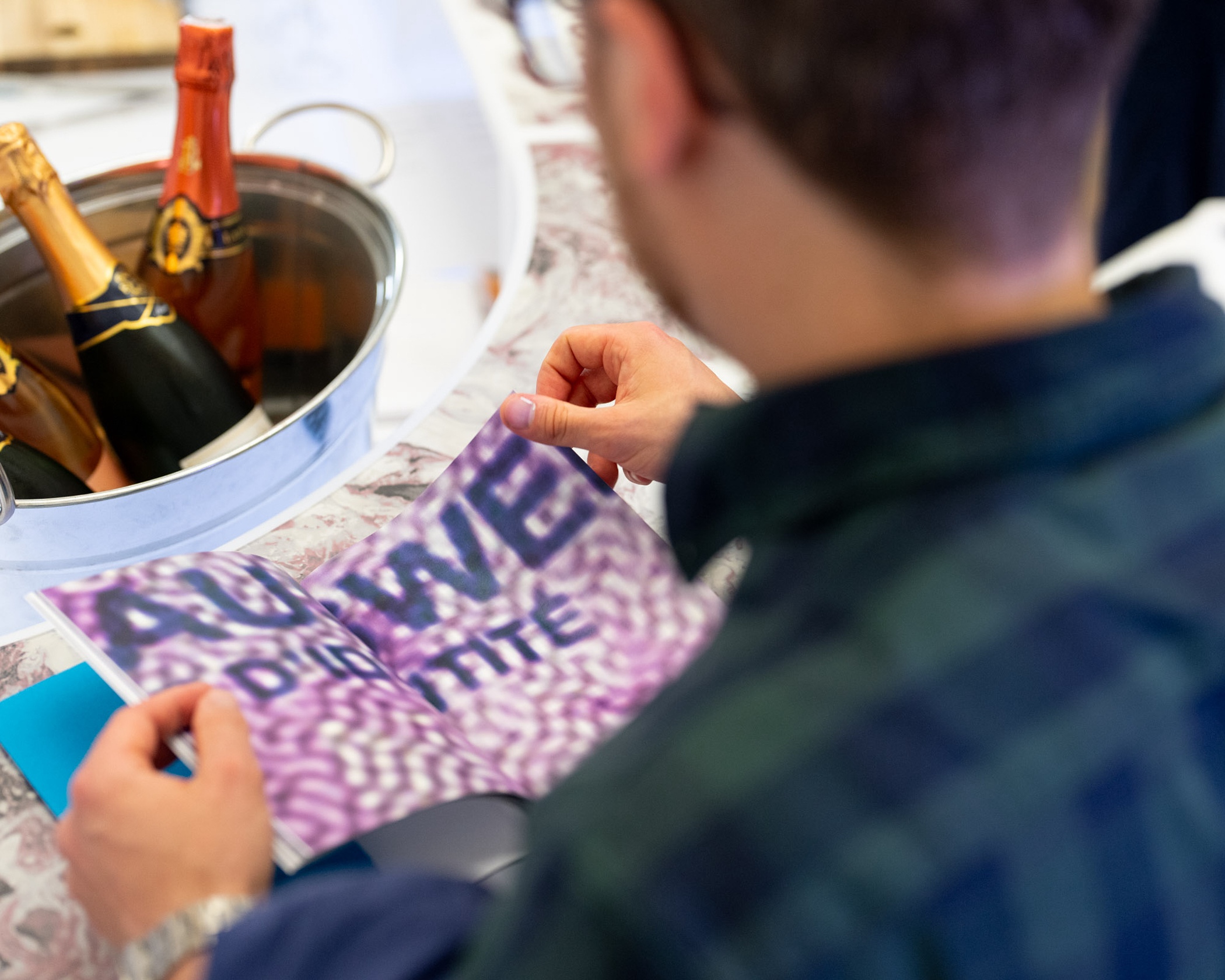
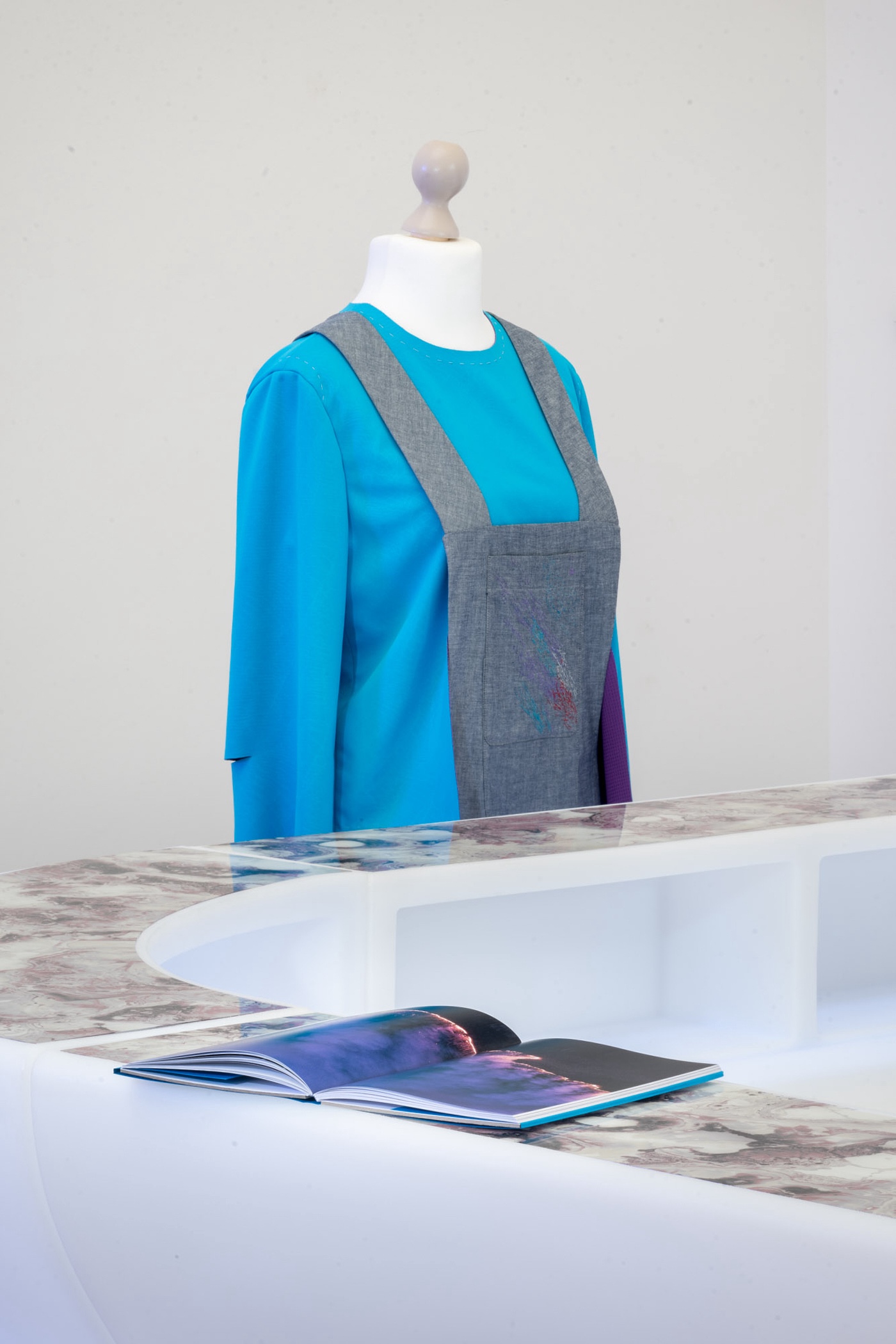
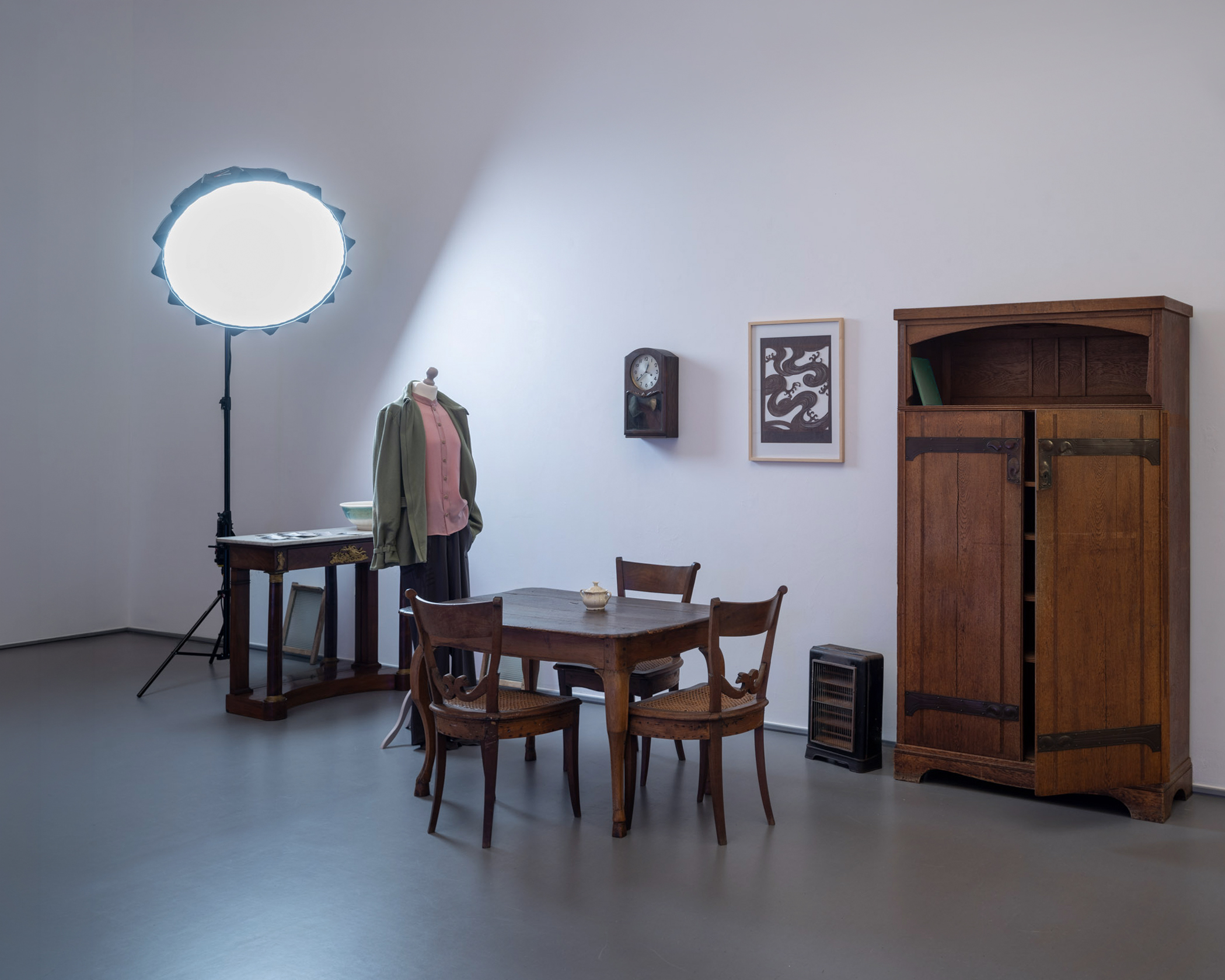
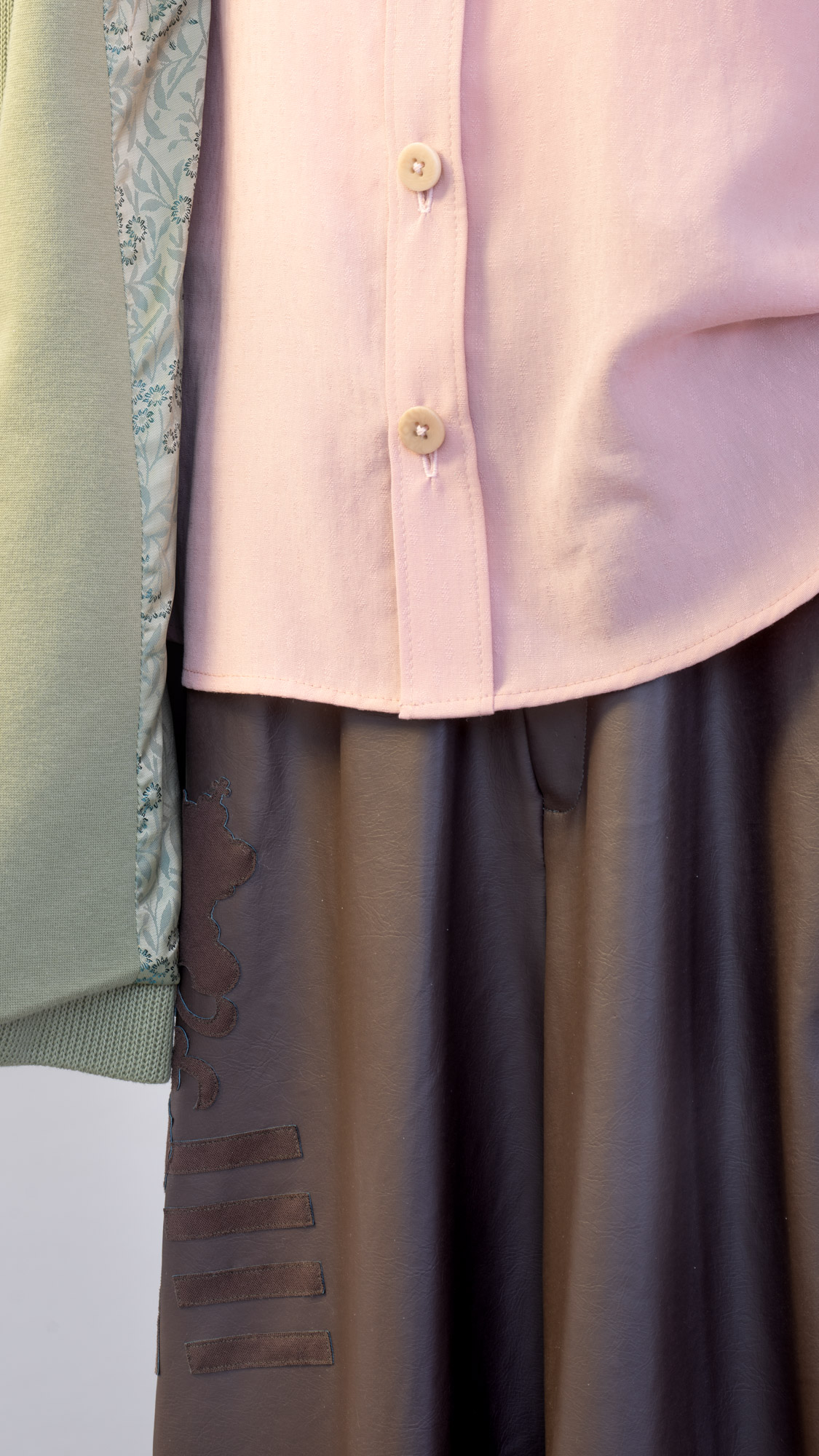
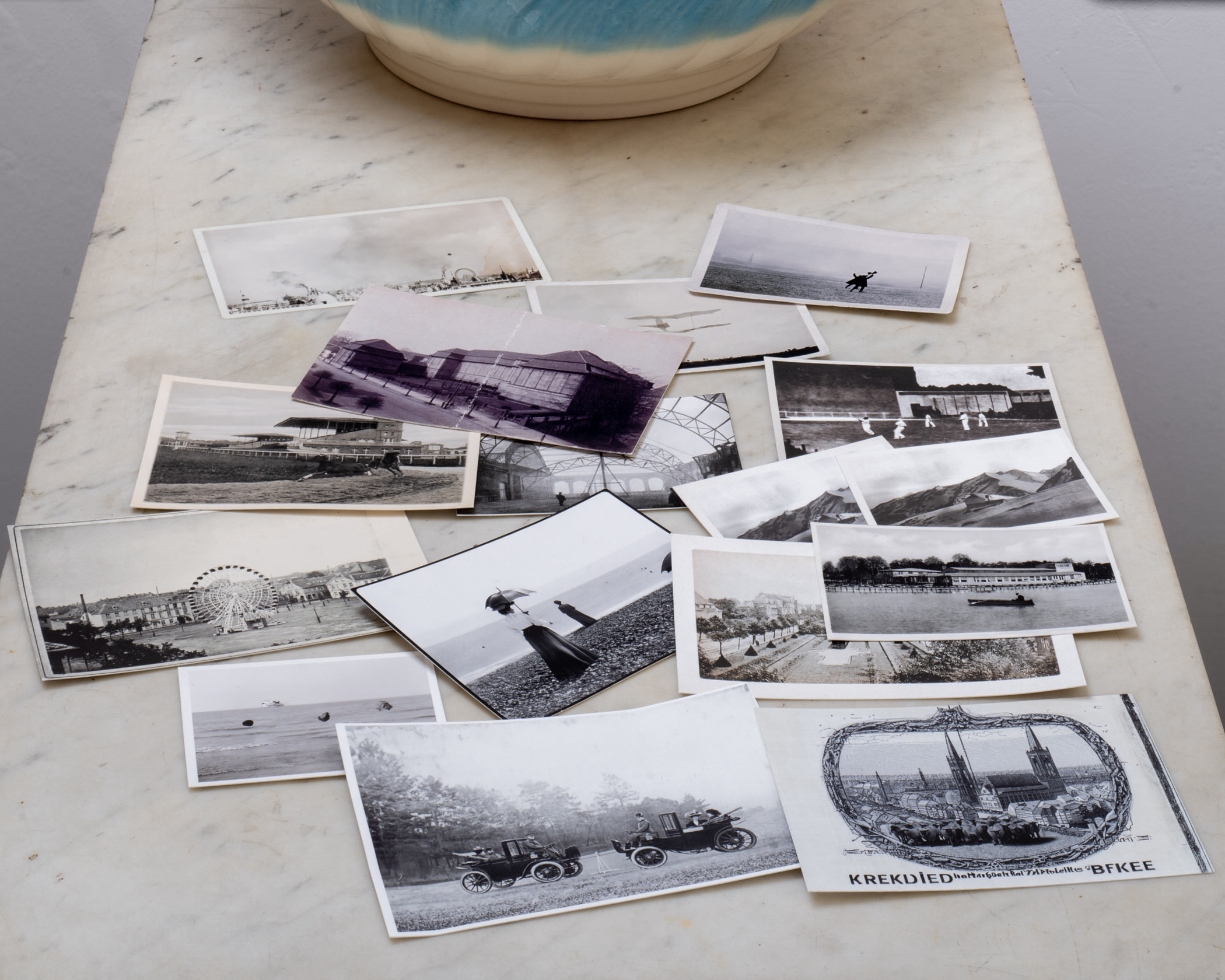
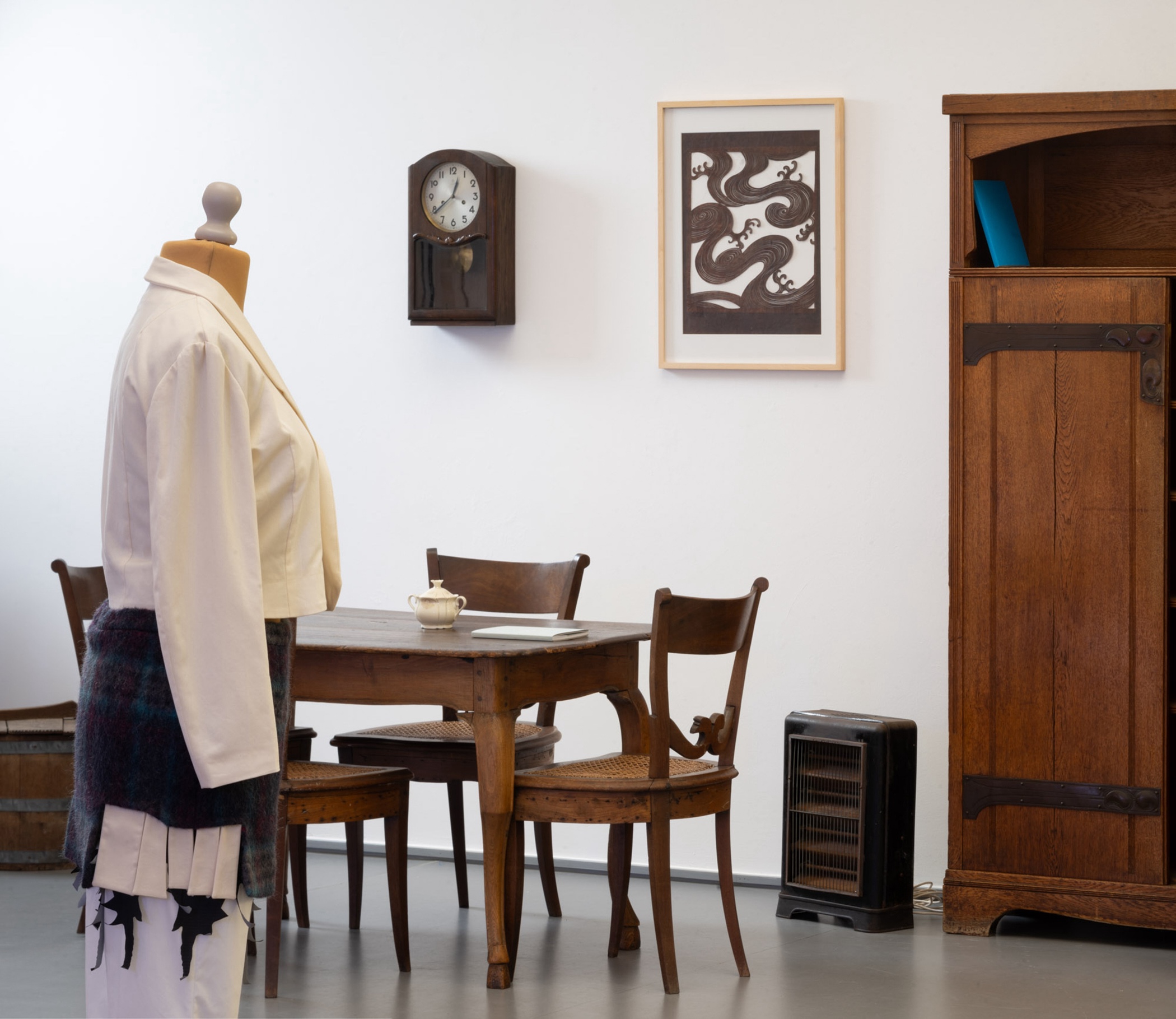
The Bar (2024)
Collection Satellite #9 The Bar. Liora Epstein in Dialogue with Jürgen Drescher and Reinhard Mucha Kaiser Wilhelm Museum, Kunstmuseen Krefeld, May 24 – October 6, 2024 Curated by Magdalena Holzhey and Sylvia Martin
Loggings: logging bad deeds — Karl Florjan (Felix Adam), logging bad deeds — Sara Budnik (Liora Epstein), logging bad deeds — Anne Schöne (Susanna Schoenberg), logging bad deeds — Malin Speicher / viele (Malin Speicher)
Materials:
Textiles, studio lighting, whistle, magazine (Art Nouveau, 1898), glasses, cocktail shaker, bar counter with furnishings, fan, cash register, socialist dining table with 2 chairs, samovar, small pot, vase, carousel toaster, 6 mannequins, 8 loggings, suitcase, home organ, cupboard, 2 chests of drawers, ceramic pot, table with 4 chairs, wall clock, sugar bowl, 10 handmade postcards, space heater, vat, laundry bucket, washboard, laundry plunger, Japanese woodblock print, 6 advertising posters, folding screen
Dimensions:
Dimensions variable
Realized with the kind support of the Stiftung der Sparda-Bank West, Party Rent Group and the Düsseldorfer Schauspielhaus
The Bar exists in multiple iterations. It was first presented in 2023 as dispersed non-existence and was later reinstalled and expanded under the title The Bar, its structure and narrative adapting to each exhibition context.
The Bar is not conceived as a place of exchange, but as a deliberately positioned structure in which expectations of sociability and intimacy become visible without being fulfilled. The work negotiates a tension between exhibition situation and everyday infrastructure.
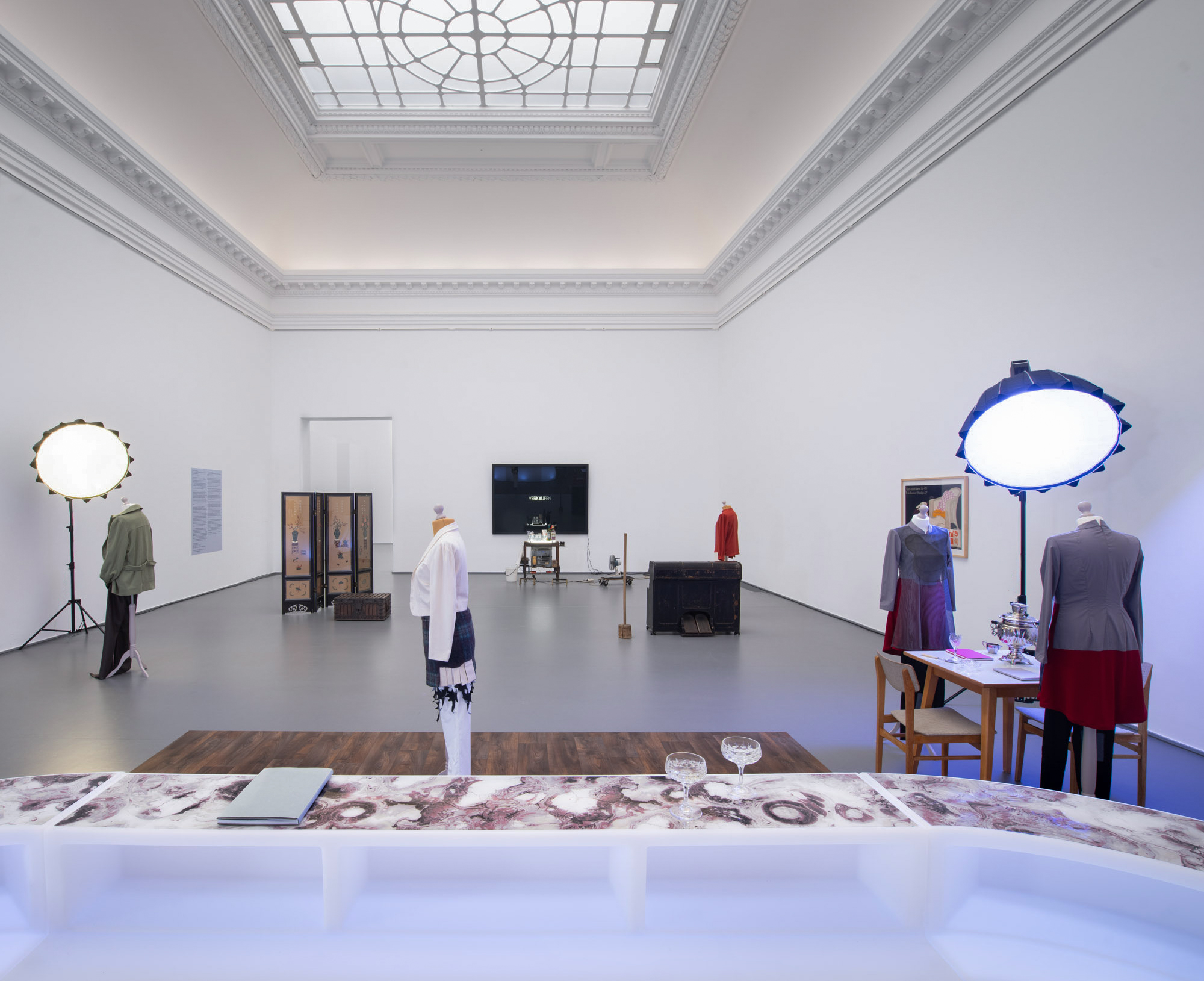
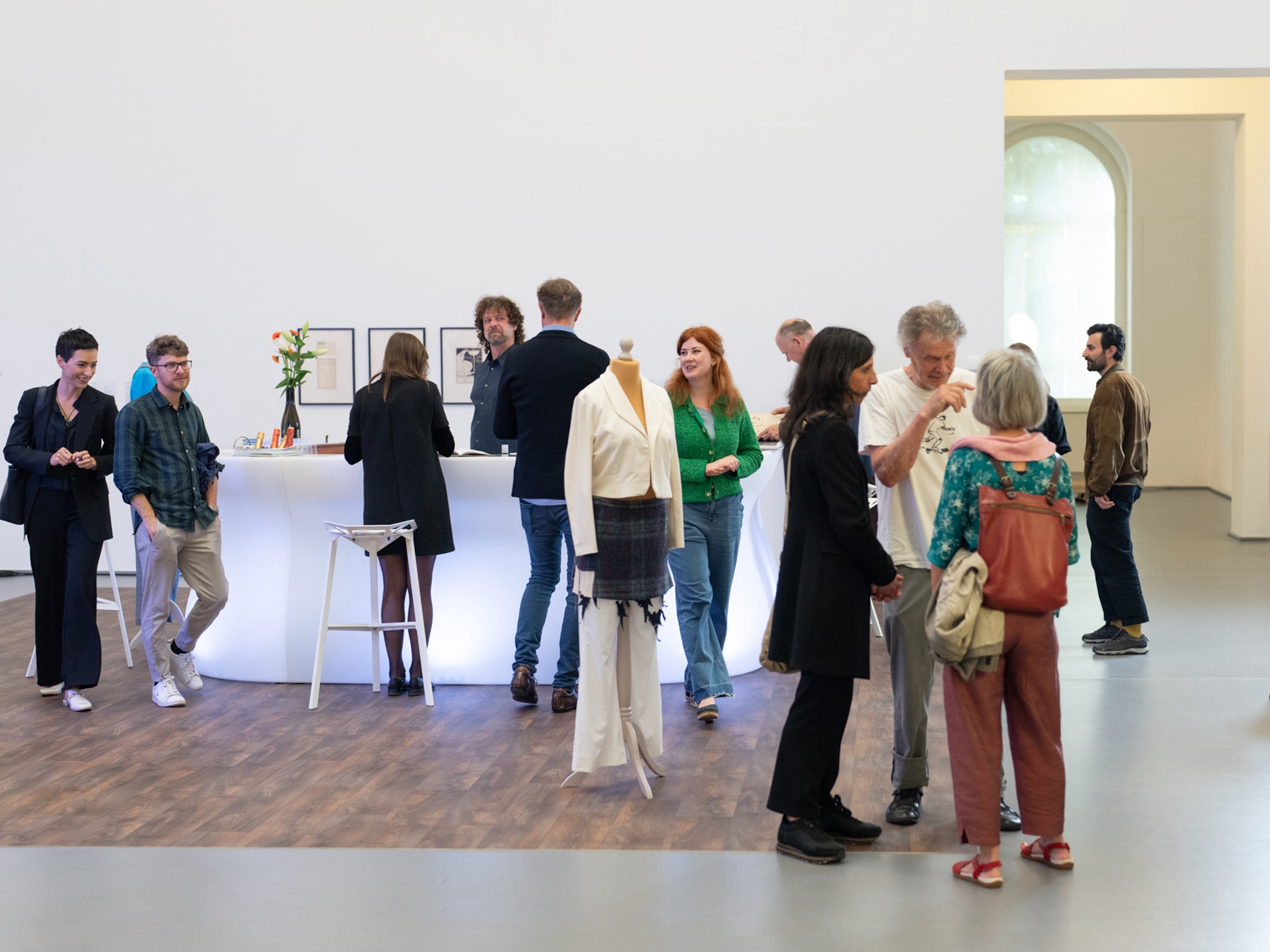
In the skylit hall of the Kaiser Wilhelm Museum in Krefeld, a fully functional bar counter stands at the center of the installation. It works, but it is never put to use.
The promise of encounter associated with the bar remains suspended. Rather than functioning as a site of exchange, it operates as an aesthetically constructed model. Consumption, conversation, and intimacy function as a surface beneath which a narrative layer is revealed, structured through logging bad deeds. The hand-bound books that hold these entries are called loggings. The occasional activation by a bartender is part of this proposition and reinforces the ambivalence between function and staging.
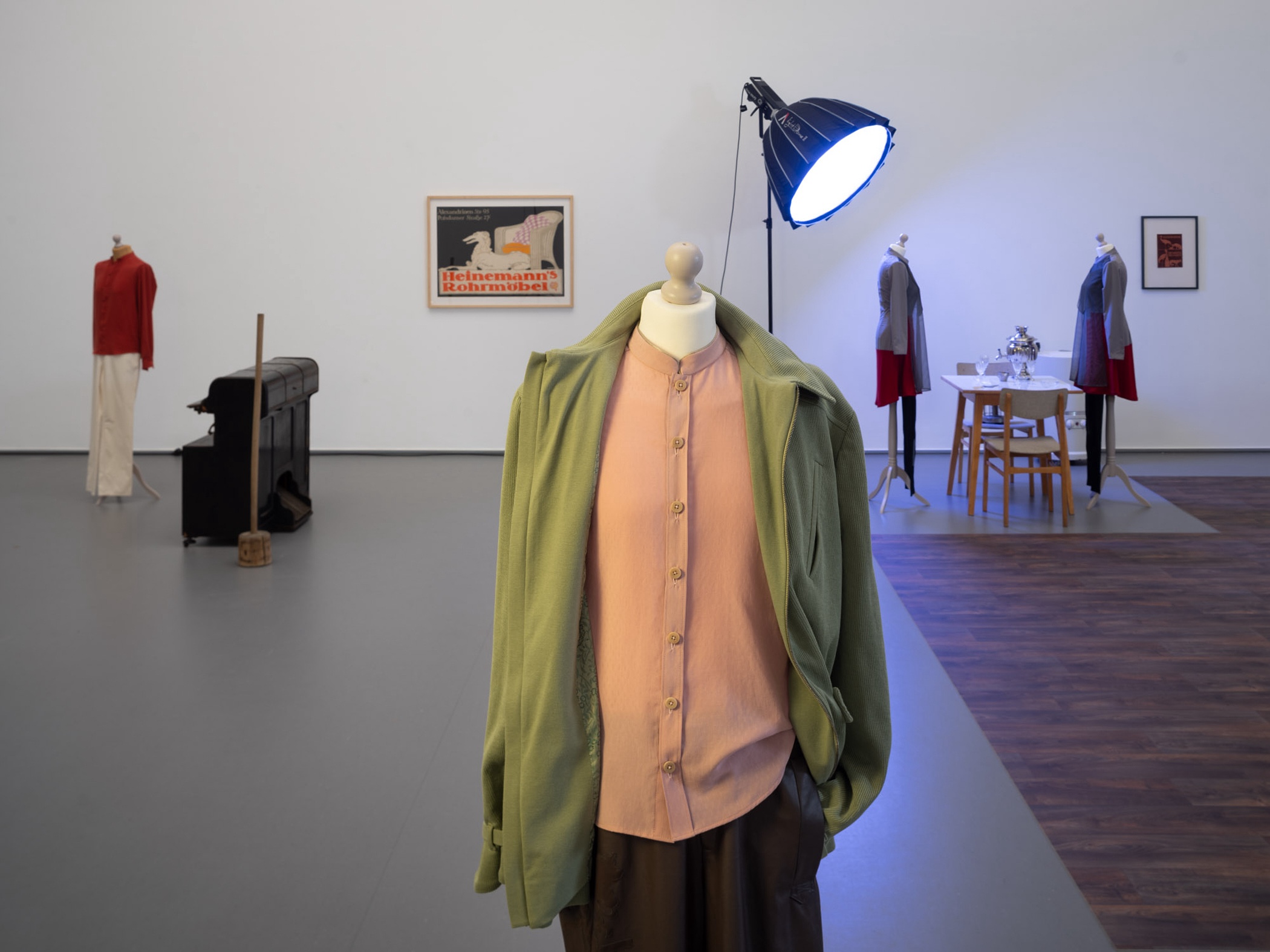
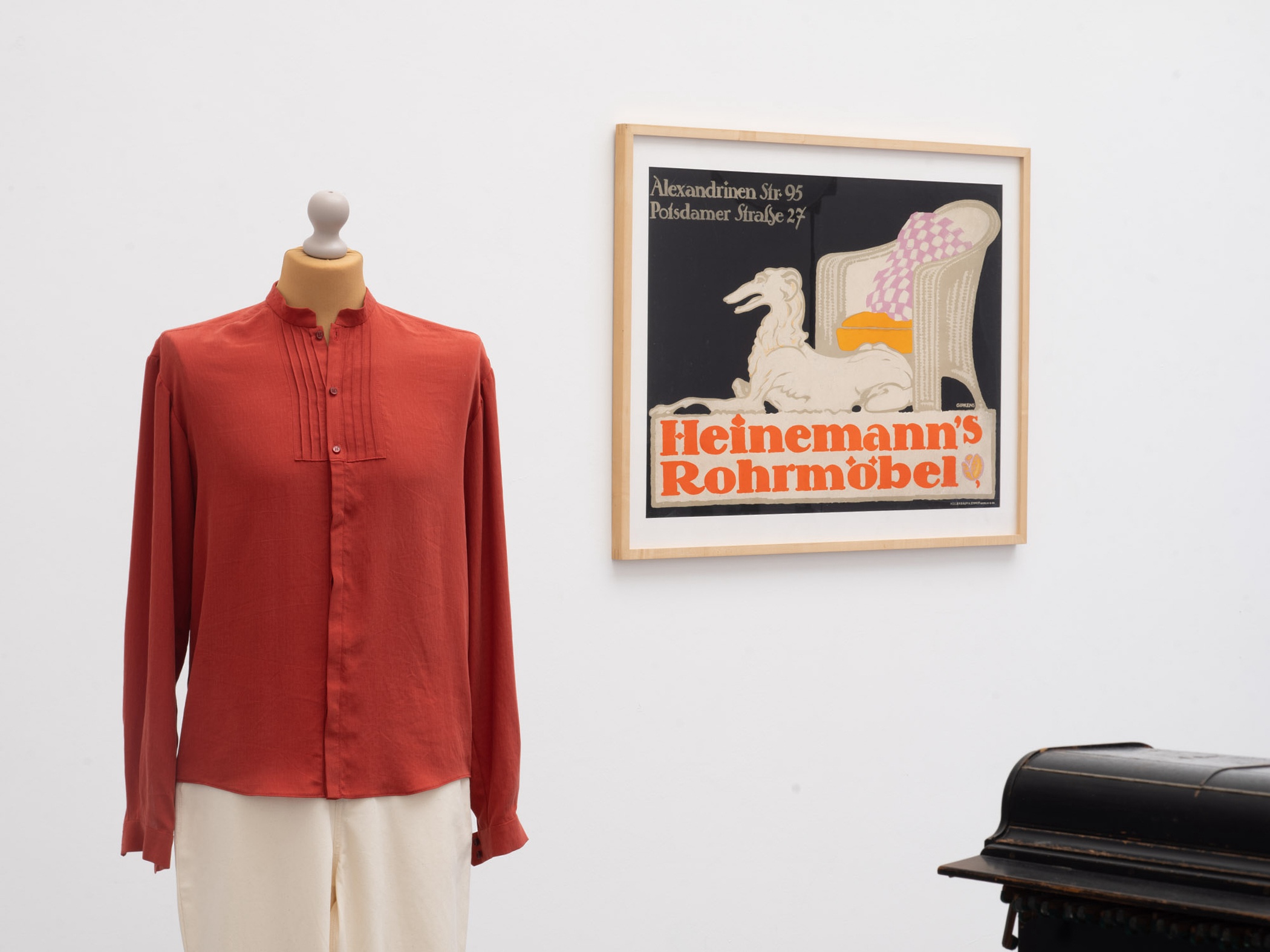
Around the bar stand six mannequins, each marking a different figure. Liora Epstein designs the costumes and garments in her installations, drafts the patterns, and sews them herself. Cut to real measurements and then mounted on standardized shop-window bodies, the garments hold open a gap between the individual and the type. Each is dense with detail, and these details operate as codes that give away something about the persona they clothe.
Four of the six figures keep loggings, written by Felix Adam, Liora Epstein, Susanne Schoenberg, and Malin Speicher. Two figures stand without one. The figures carry names — among them Sara Budnik, Selva Amelia, and Karl Florjan, nicknamed The German — and Karl Florjan is given a room of his own within the installation, Florjan’s room. Together with the accompanying text pieces, the figures refer to individual narratives whose status between biographical reference and fiction deliberately remains unresolved. The texts operate with autofictional fragments and attributions, generating a field of tension between personal narration and the analytical consideration of so-called “bad” deeds.
The Bar constructs a situation that appears familiar while being strictly regulated. It makes visible how everyday life functions as a scenographic construction: every component — from the counter and the lighting to the figures — is part of an arrangement that transfers visitors into an artificial, almost dreamlike scenery.
The loggings are currently available in German; Translation into English and produced as new hand-bound editions are in preparation.
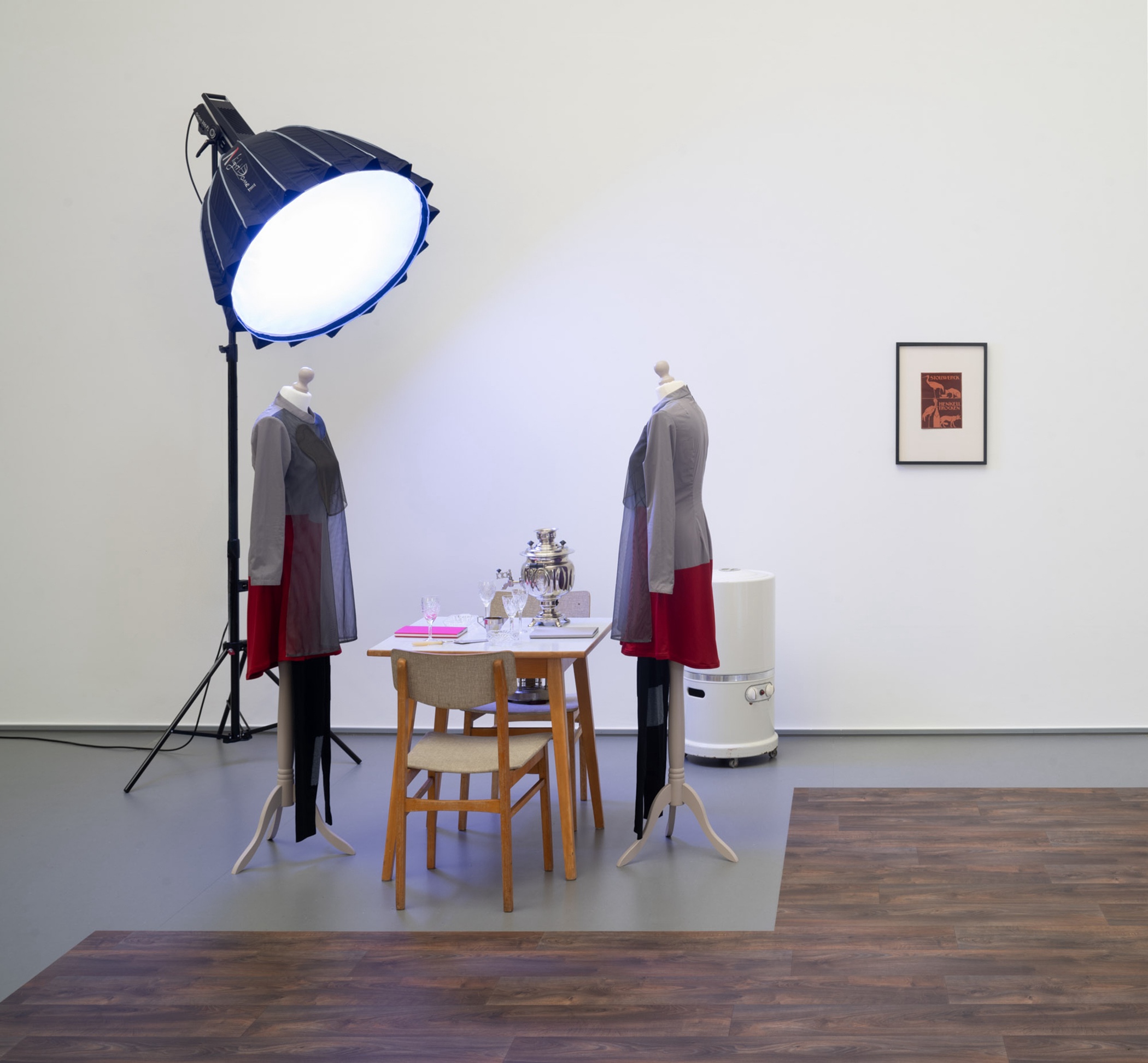
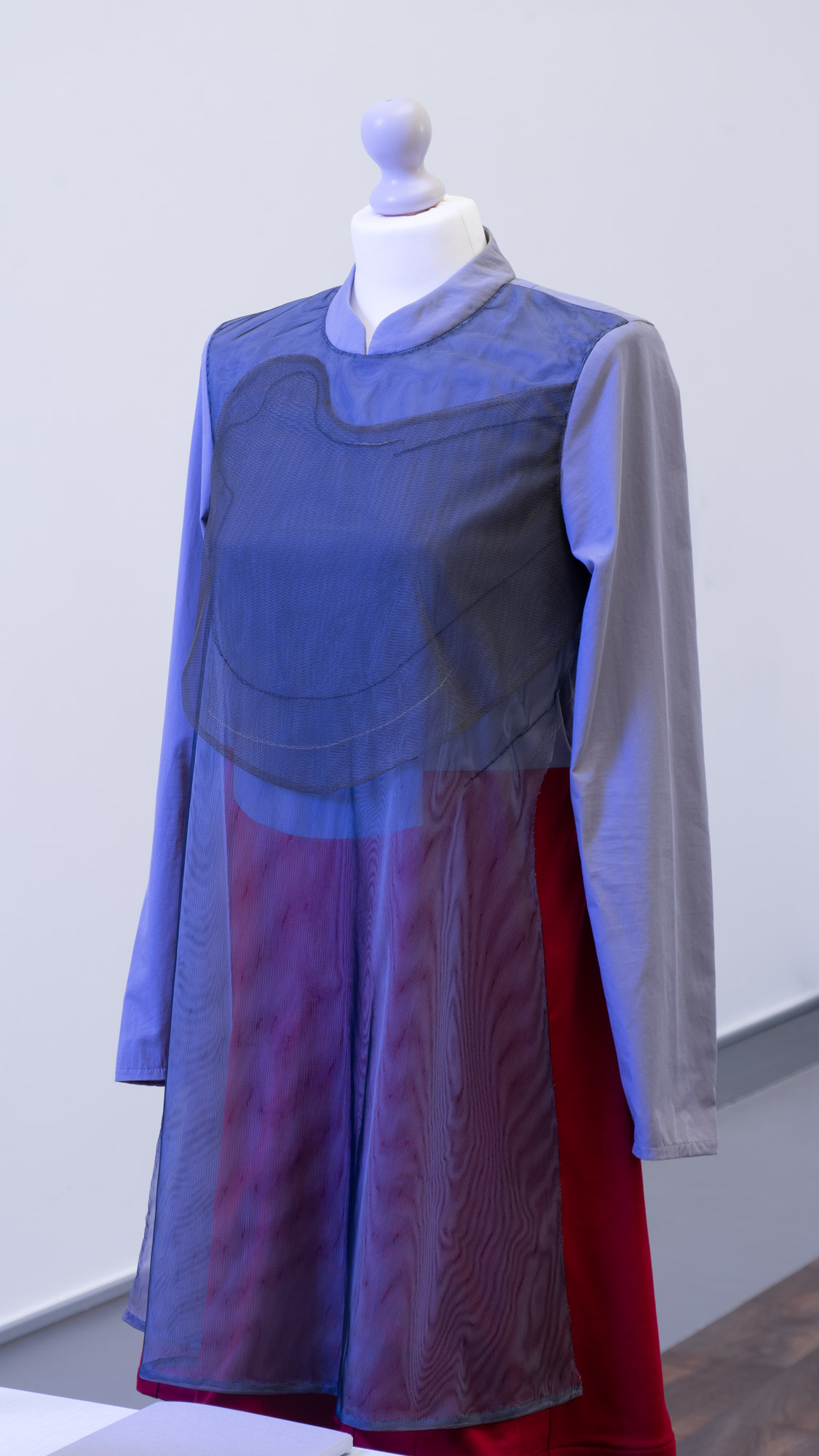
die sozialistische Ecke (the socialist corner), (2023/24)
Part of The Bar: a kitchen situation with a Soviet-era table, two chairs, a samovar and the hand-bound loggings of two figures. Visitors can sit down and read. Since 2025 in the collection of the Kunstmuseen Krefeld; on view since July 2026 in Collection in Motion. 15 Rooms, 15 Stories, Kaiser Wilhelm Museum.
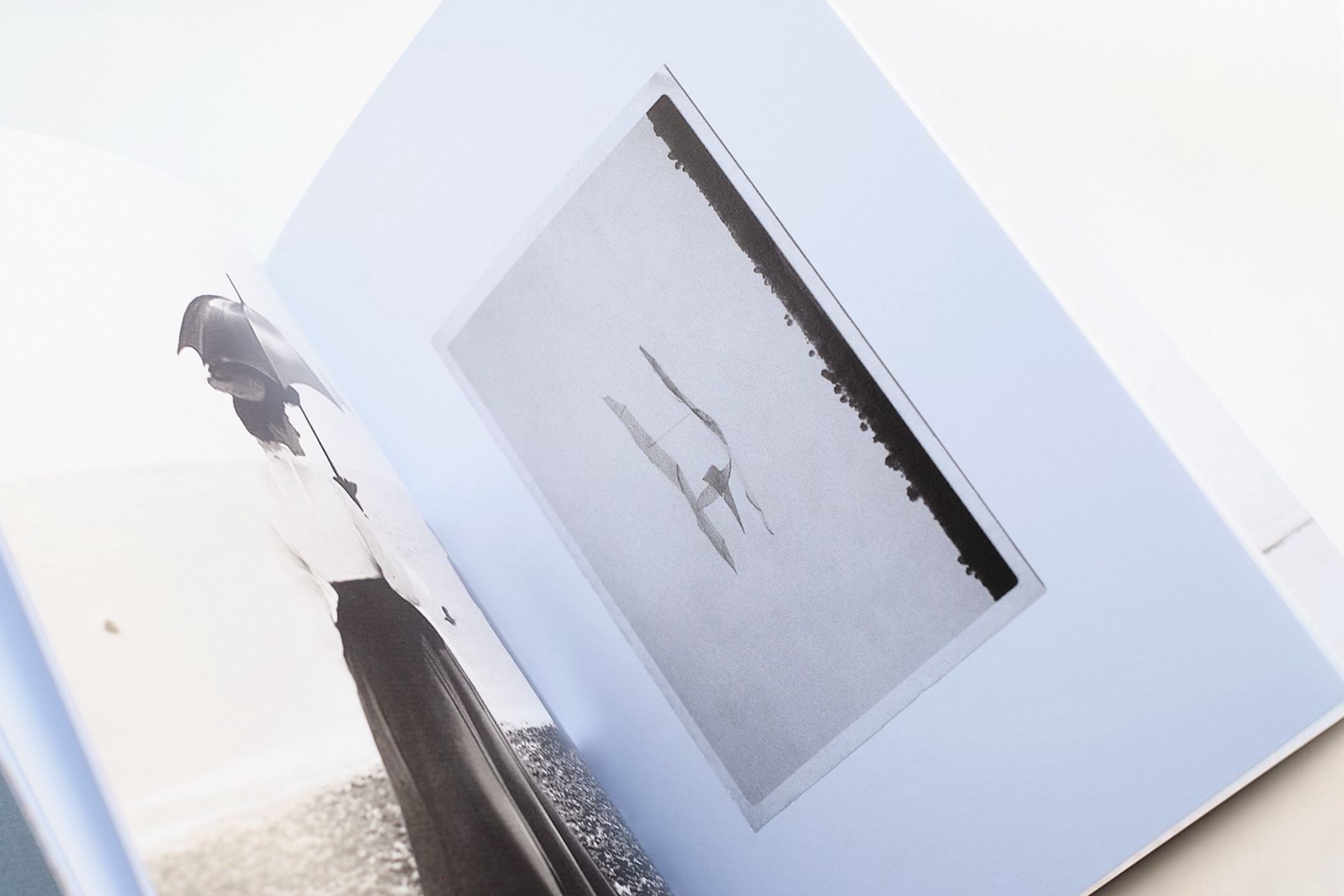
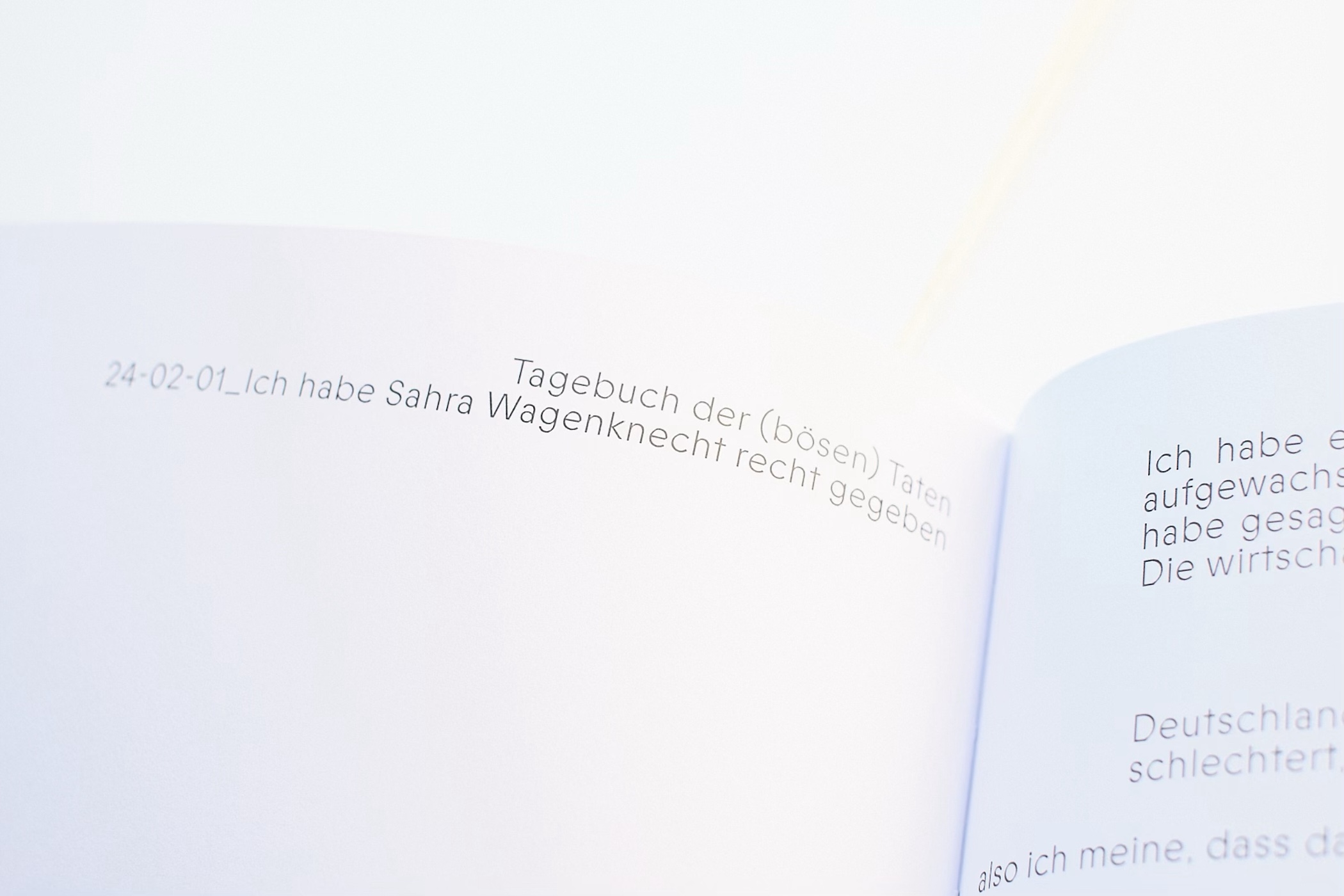
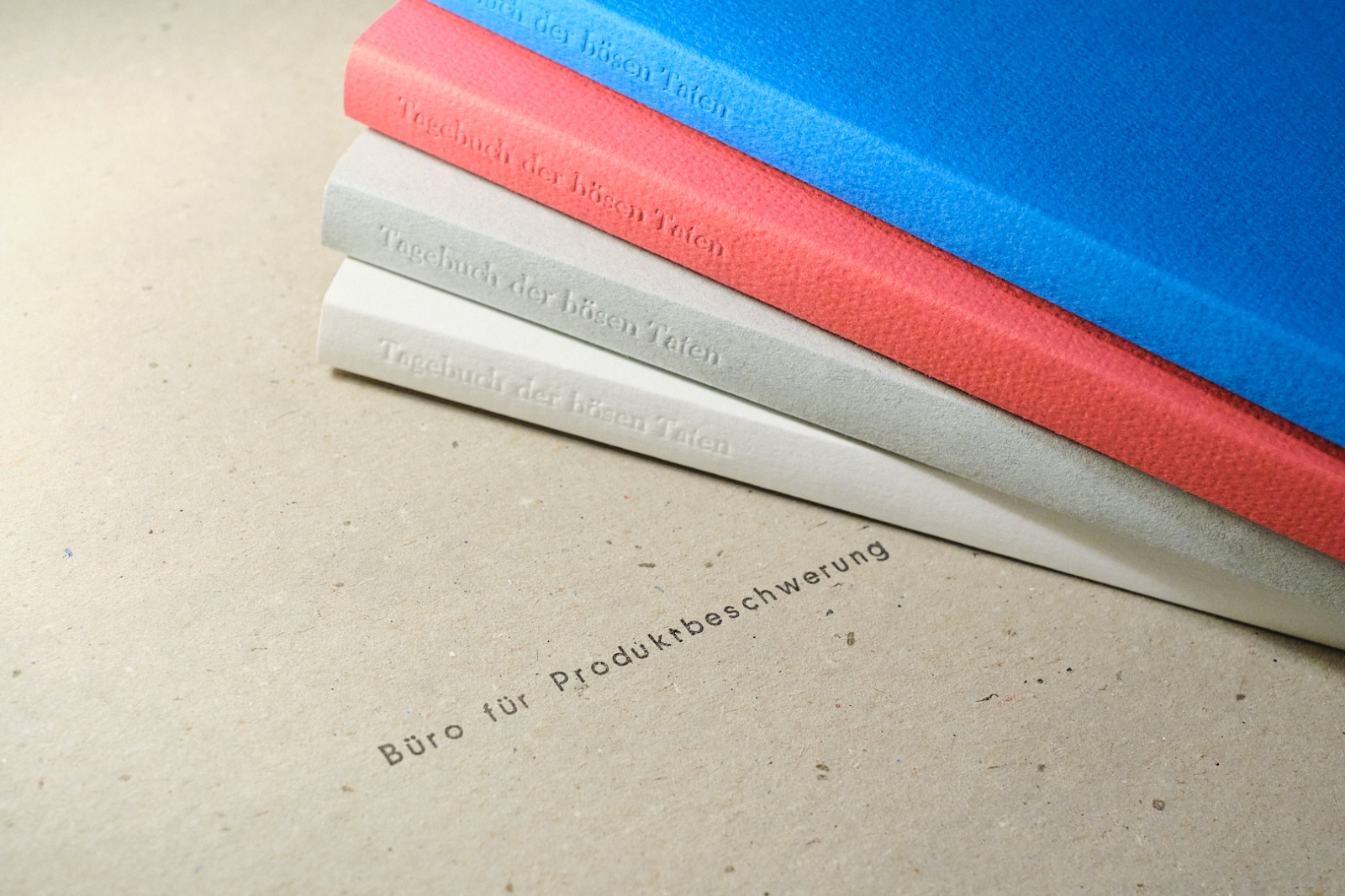
Edition Box – The Bar (2024)
Edition: 4 copies, 3 available Price: on request Available at: Museum shop, Kaiser Wilhelm Museum, Krefeld
In collaboration with: Büro für Produktbeschwerung
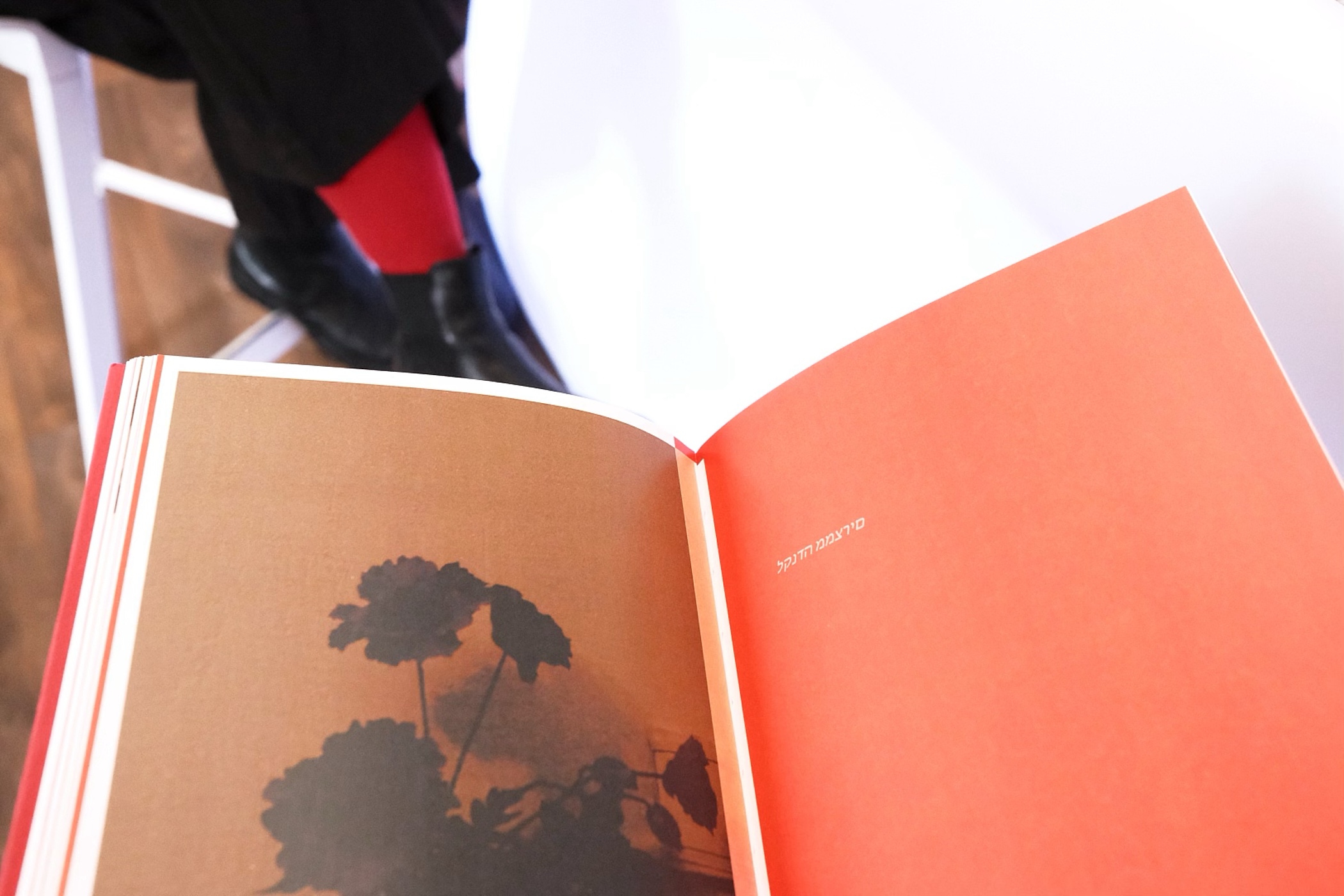
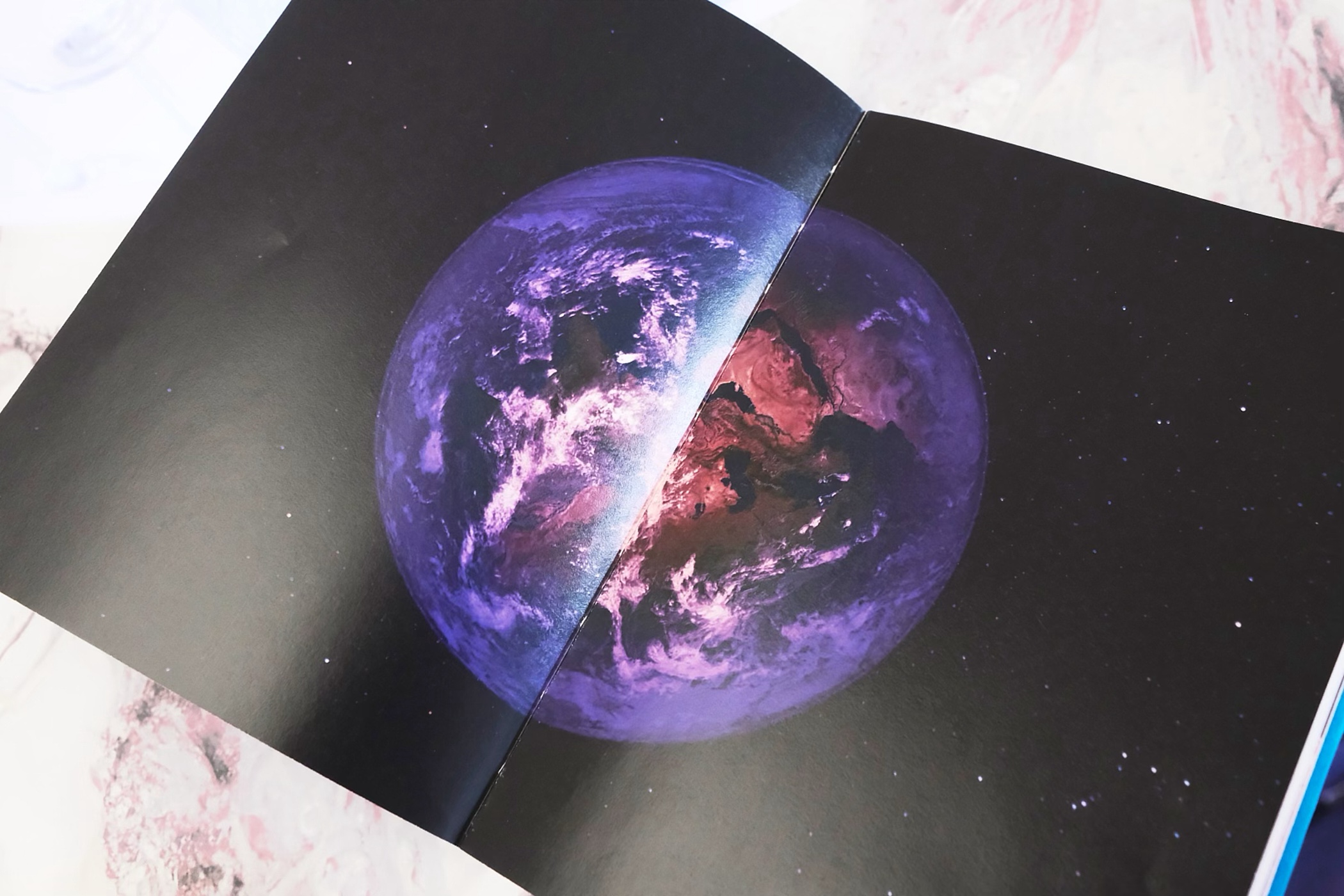
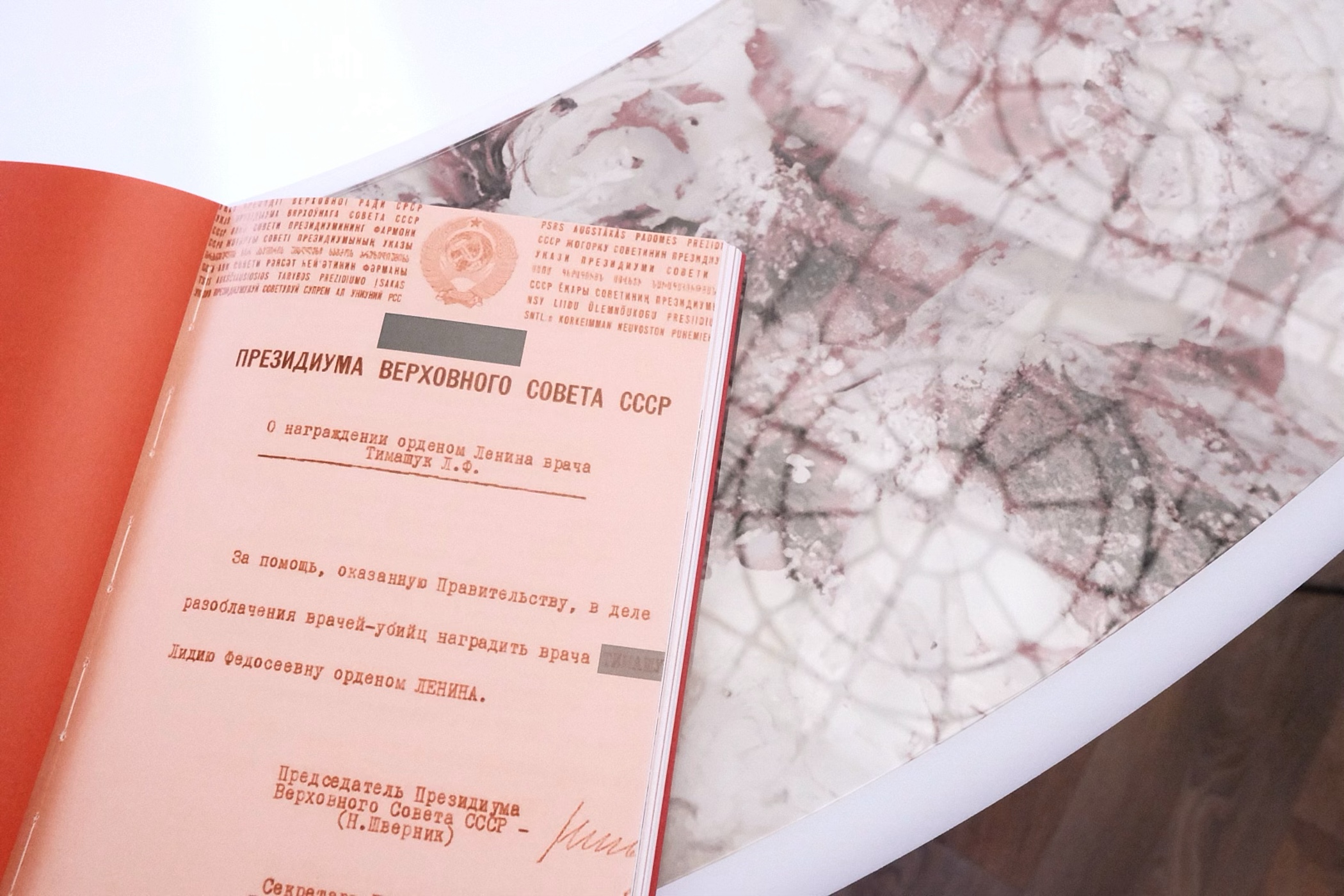
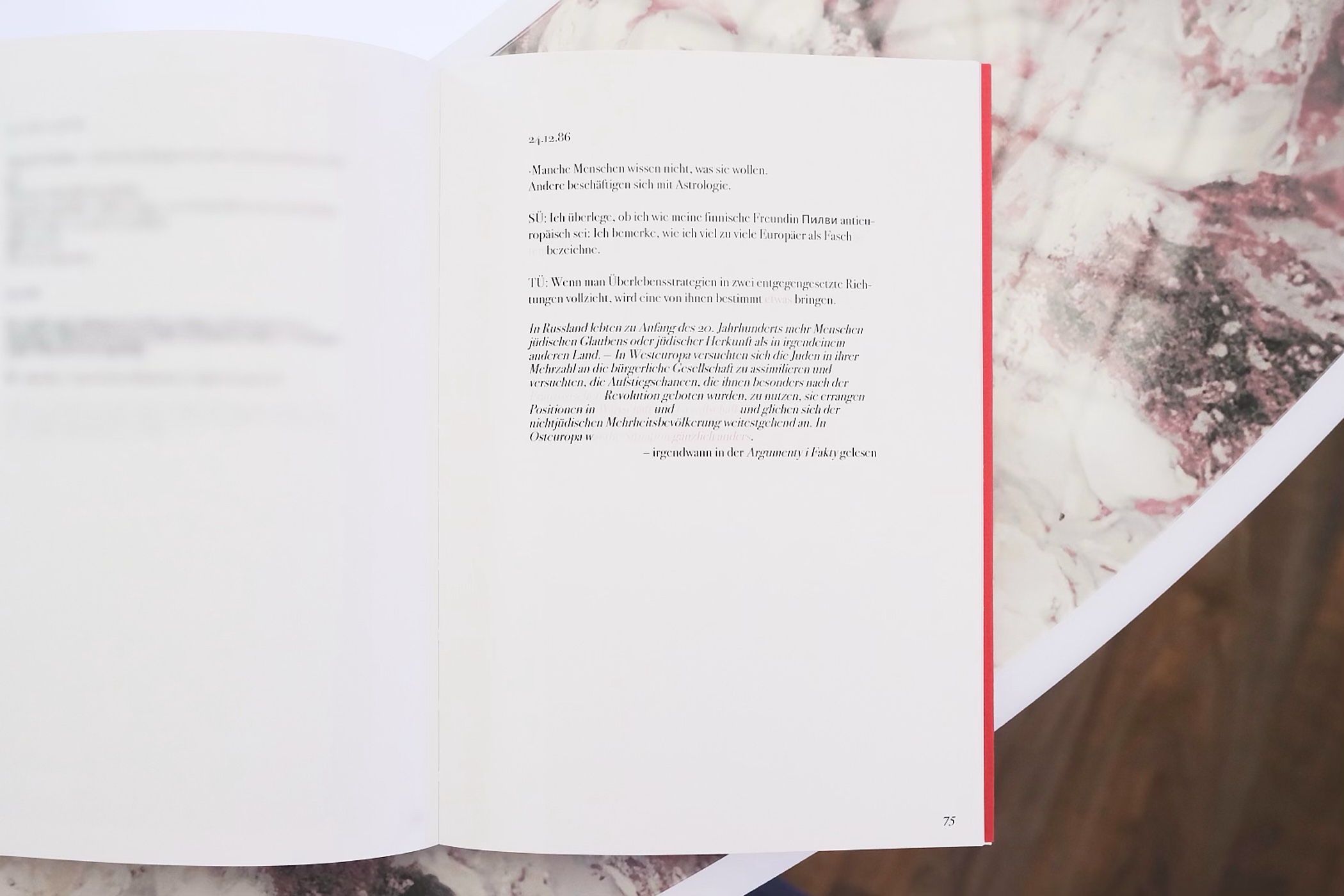
The edition box extends The Bar beyond the exhibition space, translating its logic into a condensed, self-contained object. It is not a souvenir, but a standalone continuation of the installation: a miniature scene that carries the same tension between proximity and distance, expectation and suspension.
The box contains four loggings from logging bad deeds, a unique textile piece, an original photograph, and a leporello with texts and exhibition views — housed in a handcrafted archival box. The objects function as narrative fragments, pointing to characters and situations without fully explaining them.
The Bar is conceived as a process-based work that expands with each presentation. New figures and material layers are added over time. This edition reflects that openness and includes the character Karl Florjan, introduced in the 2024 exhibition at the Kaiser Wilhelm Museum.
Image 1-10 Installation view and opening Collection Satellite #9. The Bar. Liora Epstein in Dialogue with Jürgen Drescher and Reinhard Mucha, 2024
Photos by Dirk Rose
Image 11-12 Installation view The socialist corner, 2024
Photos by Dirk Rose
Image 13-19 Editions box for the exhibition
Collection Satellite #9. The Bar. Liora Epstein in Dialogue
with Jürgen Drescher and Reinhard Mucha, 2024
Photos by Felix Adam
Image 17 courtesy by Felix Adam
Image 18 courtesy by Malin Speicher
© VG Bild-Kunst, Bonn