FORTUNA (gut verteilen; 'to distribute well') 2025
Intervening installation Kunstkirche Pax Christi, Krefeld-Oppum, April 3 – June 30, 2025 Invited by Sebastian Blasius, artist and art historian In cooperation with Büro für Produktbeschwerung
Materials:
Bubble wrap, gauze bandages, barrier sheeting, thin plastic sheeting (Lupo foil), vacuum packaging, construction netting, fabric banner with sewn-in laser-cut typography, transparent wall lettering, floor lines (3 × 3 stripes), yellow-green earthing cable, ceiling light; sandbox pilgrimage (art transport crate, pallet truck, compostable costume, hangtags)
Dimensions:
Dimensions variable
After The Bar at the Kaiser Wilhelm Museum in 2024, FORTUNA (gut verteilen) — to distribute well — is Liora Epstein’s second solo exhibition in Krefeld: this time not in a museum, but in the Kunstkirche Pax Christi, a parish church that has carried a collection of contemporary art for decades.
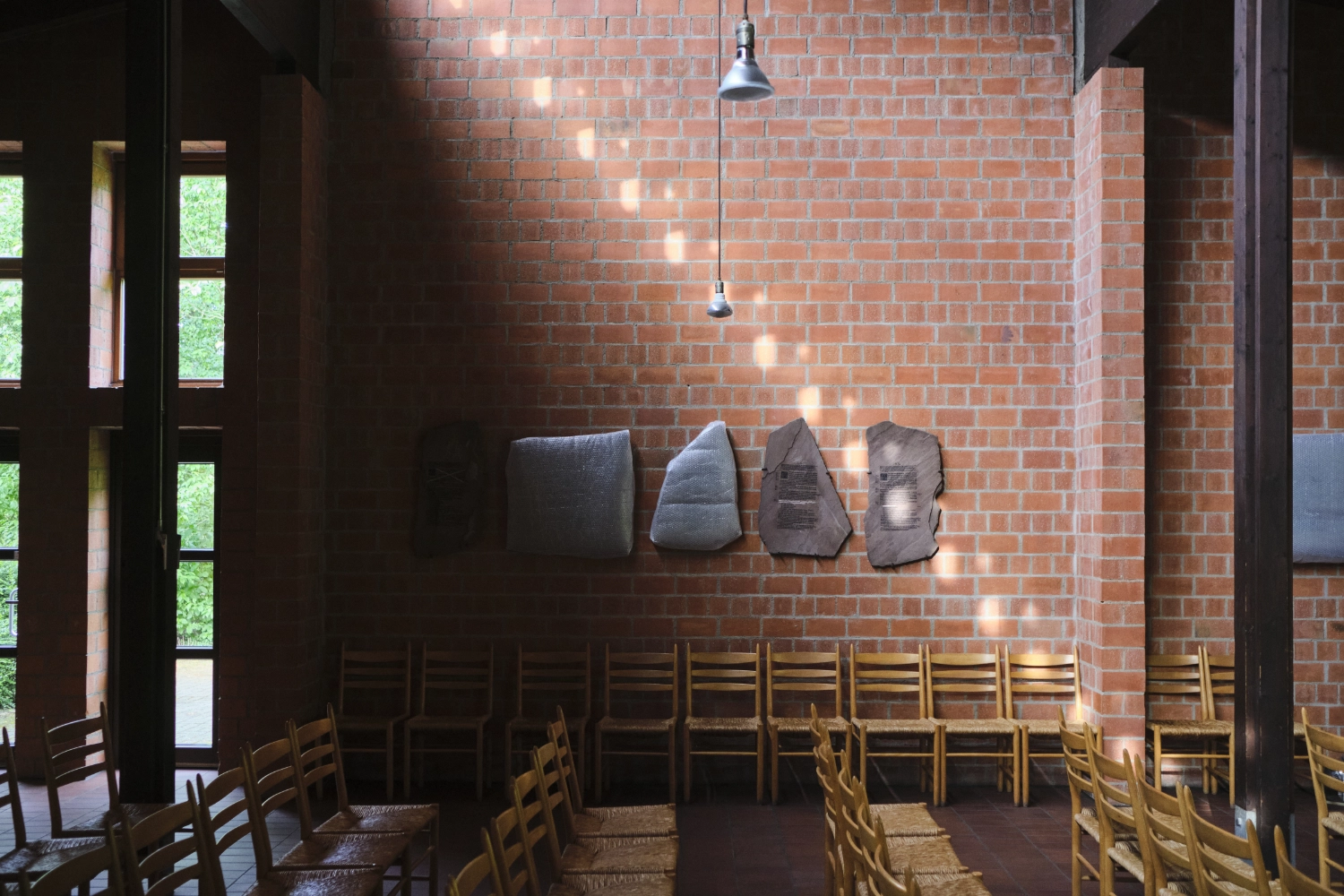
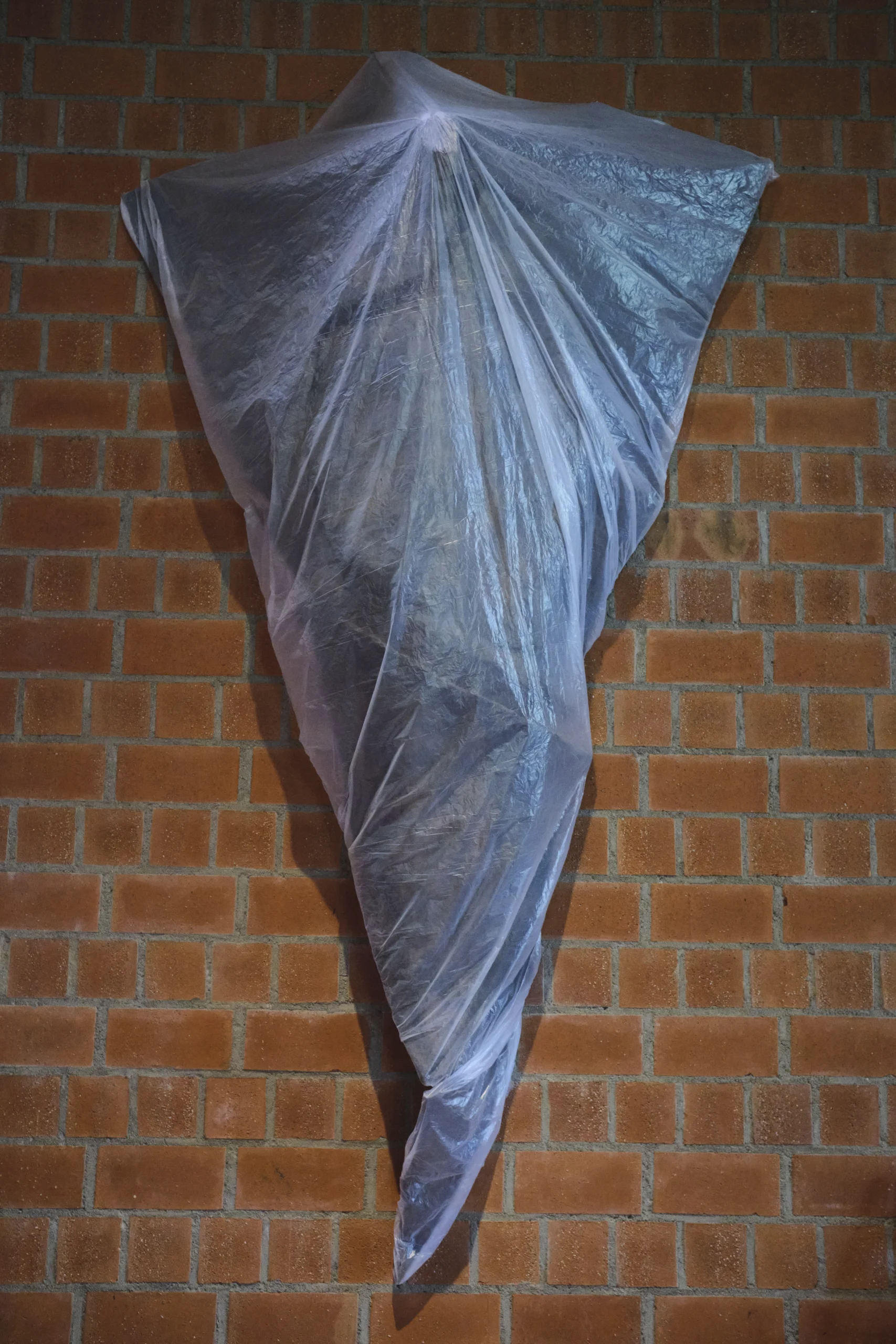
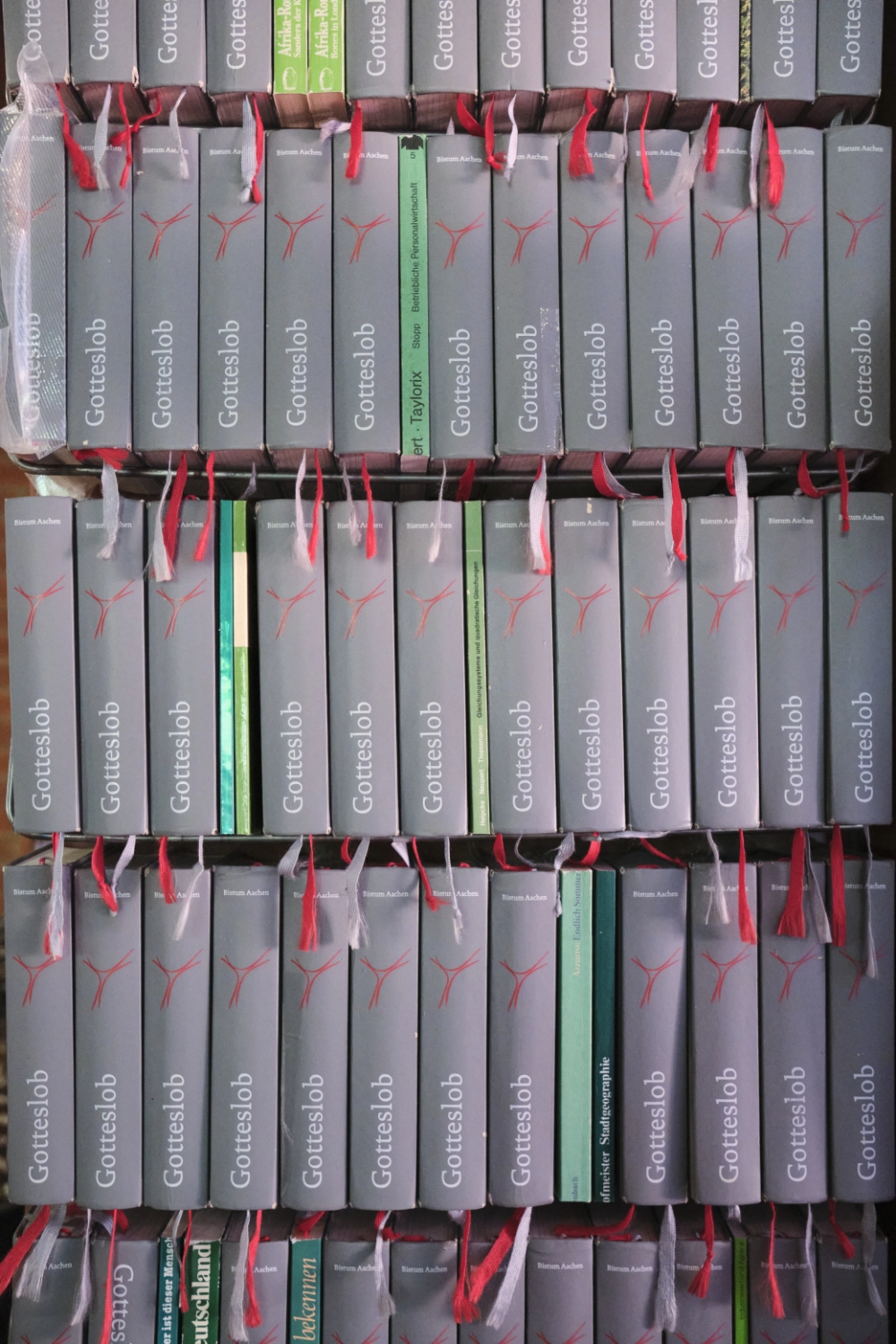
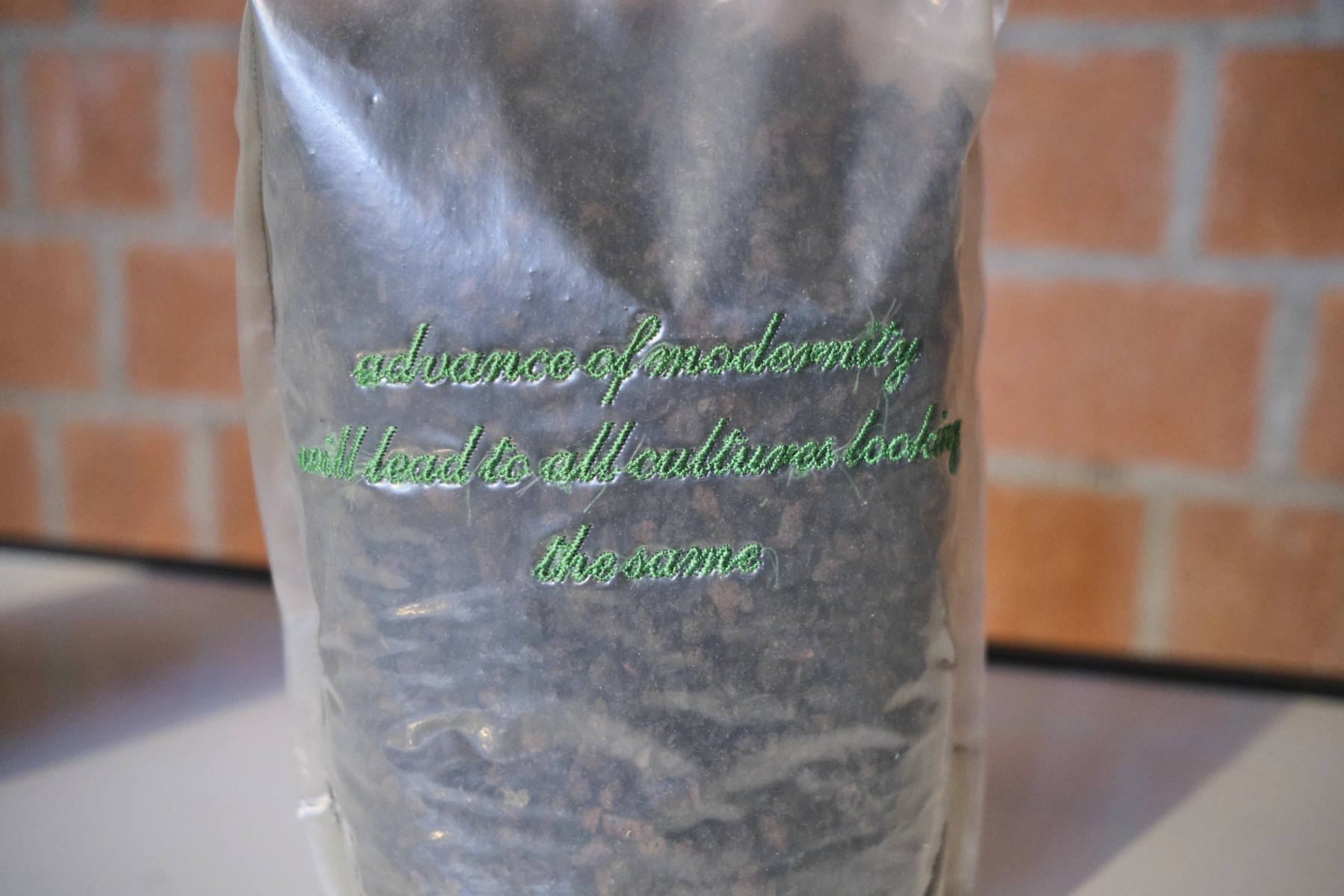
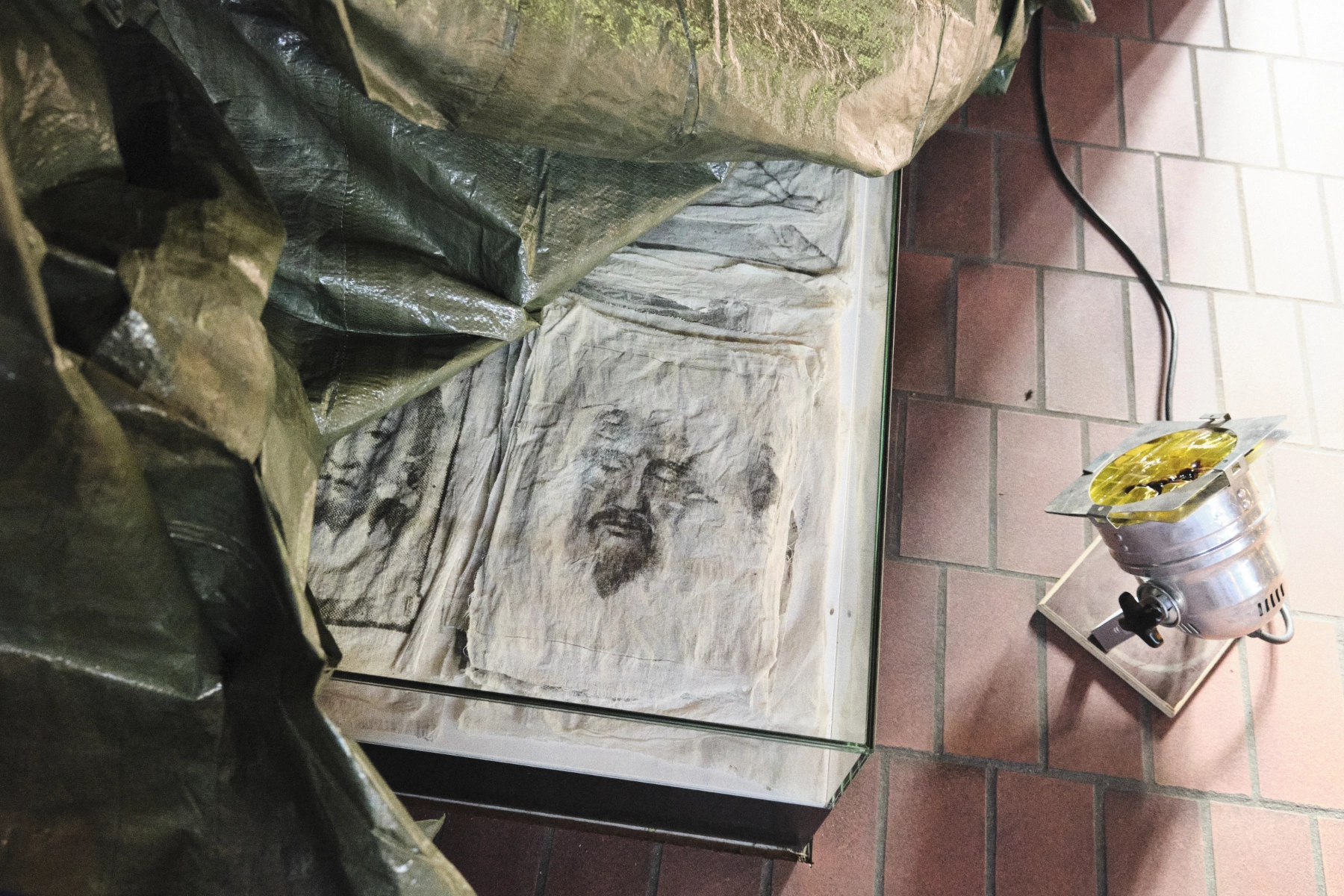
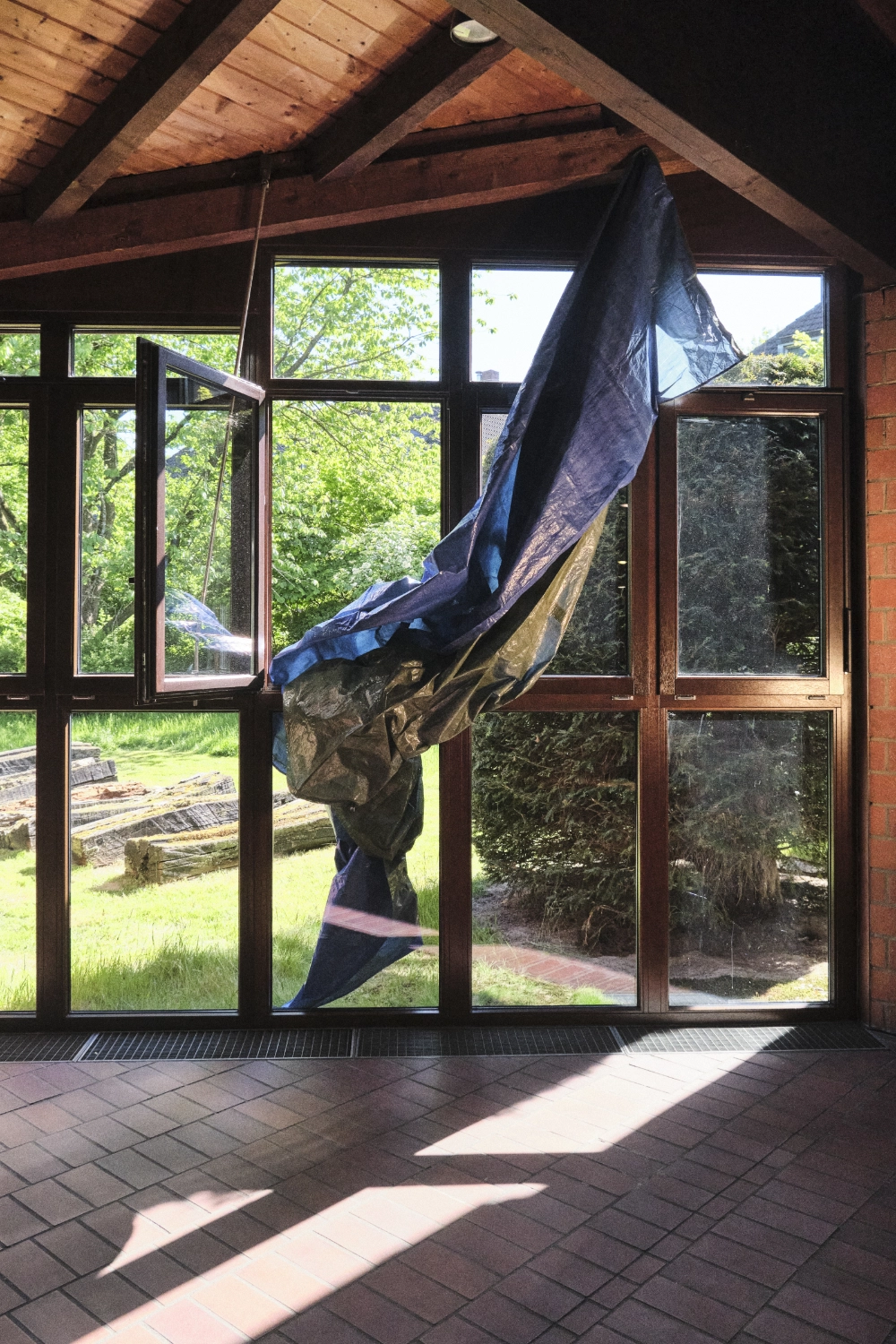
FORTUNA has no single finished state. The installation emerges over weeks, almost imperceptibly: Shimotani’s commandment tablets disappear under bubble wrap, one side of the Rückriem altar is wound in gauze bandages, wicker chairs are vacuum-sealed, windows are veiled with construction netting.
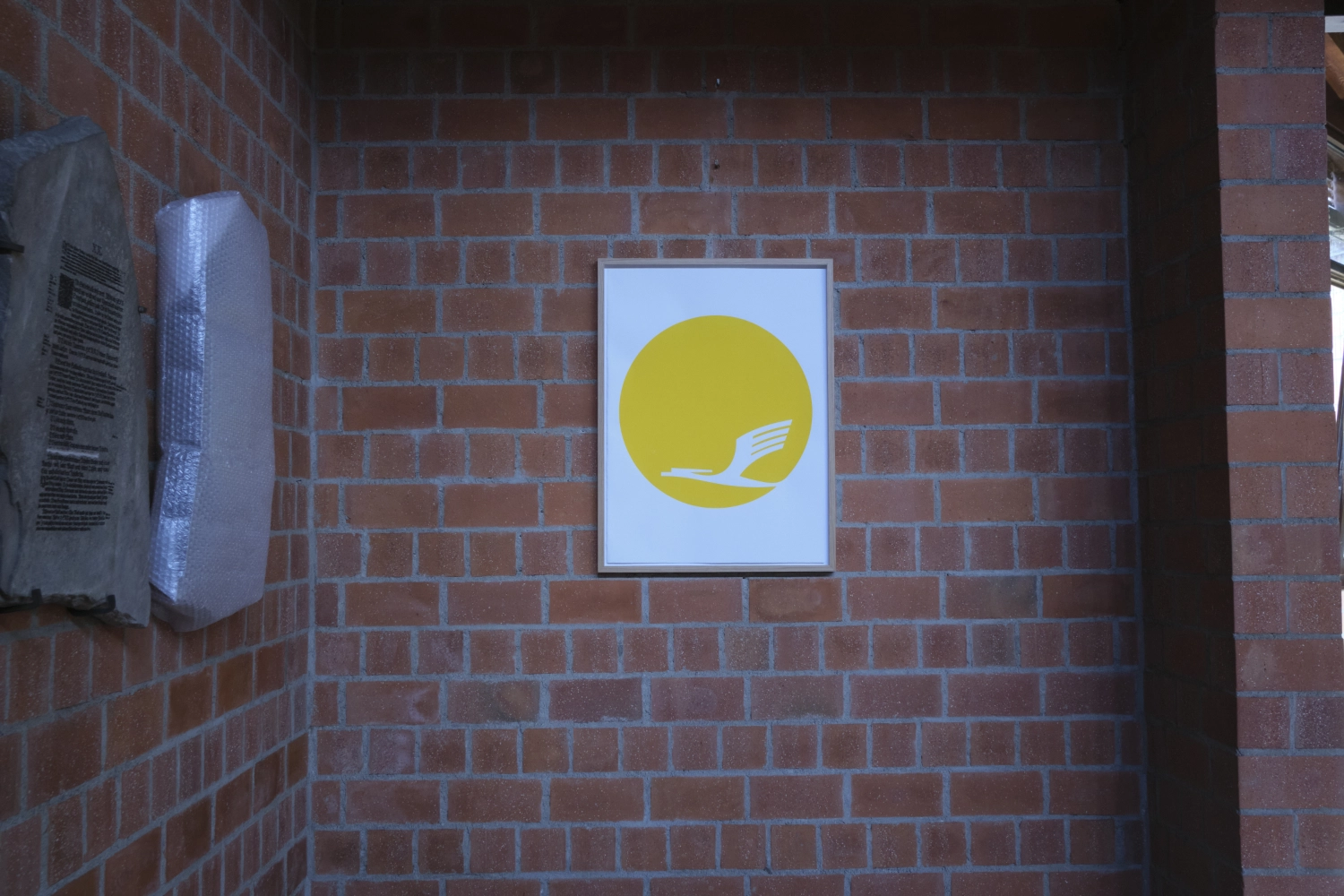
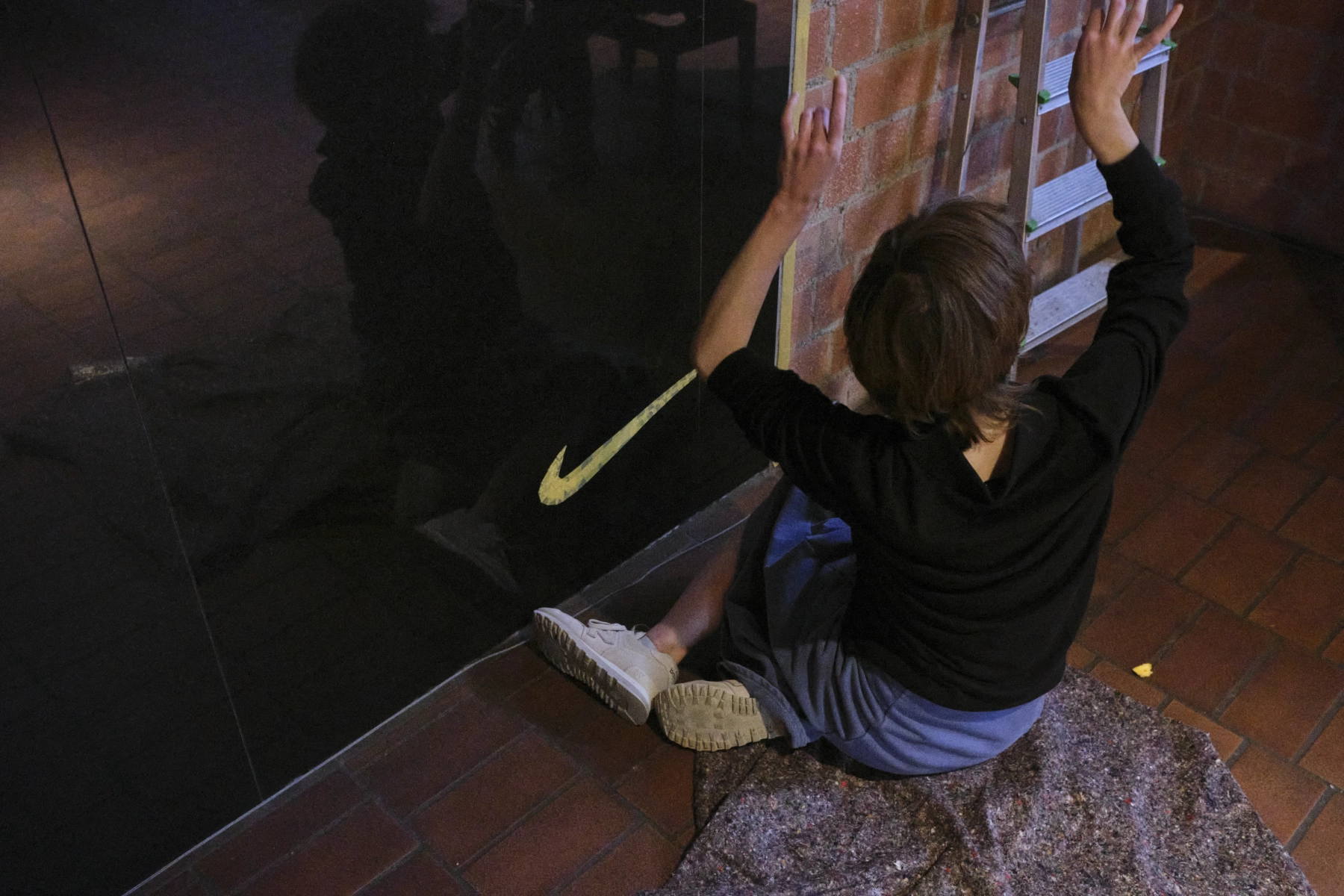
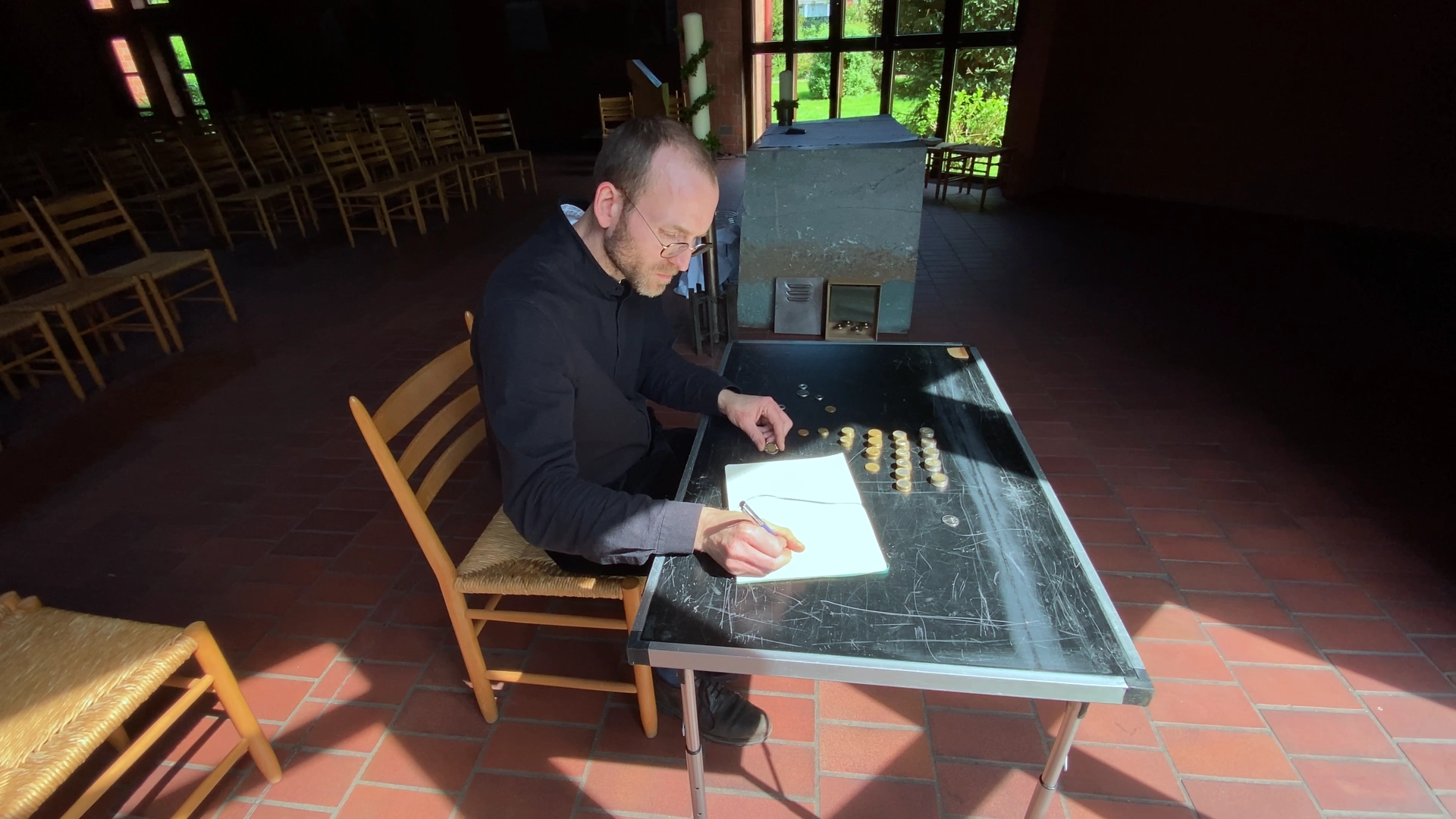
On the red brick walls, phrases become legible like watermarks, each placed beside an existing work. Fortuna ist raus — “Fortuna is out” — stands next to Rinke’s Tor zur Ewigkeit. nichts ärmeres unter der Sonn’ // als Euch, from Goethe’s Prometheus, stands near Staeck’s Abendmahl. And in seiner (unsichtbaren) Hand — “in his (invisible) hand” — stands at the altar, where God’s hand and the invisible hand of the market meet in a single line.
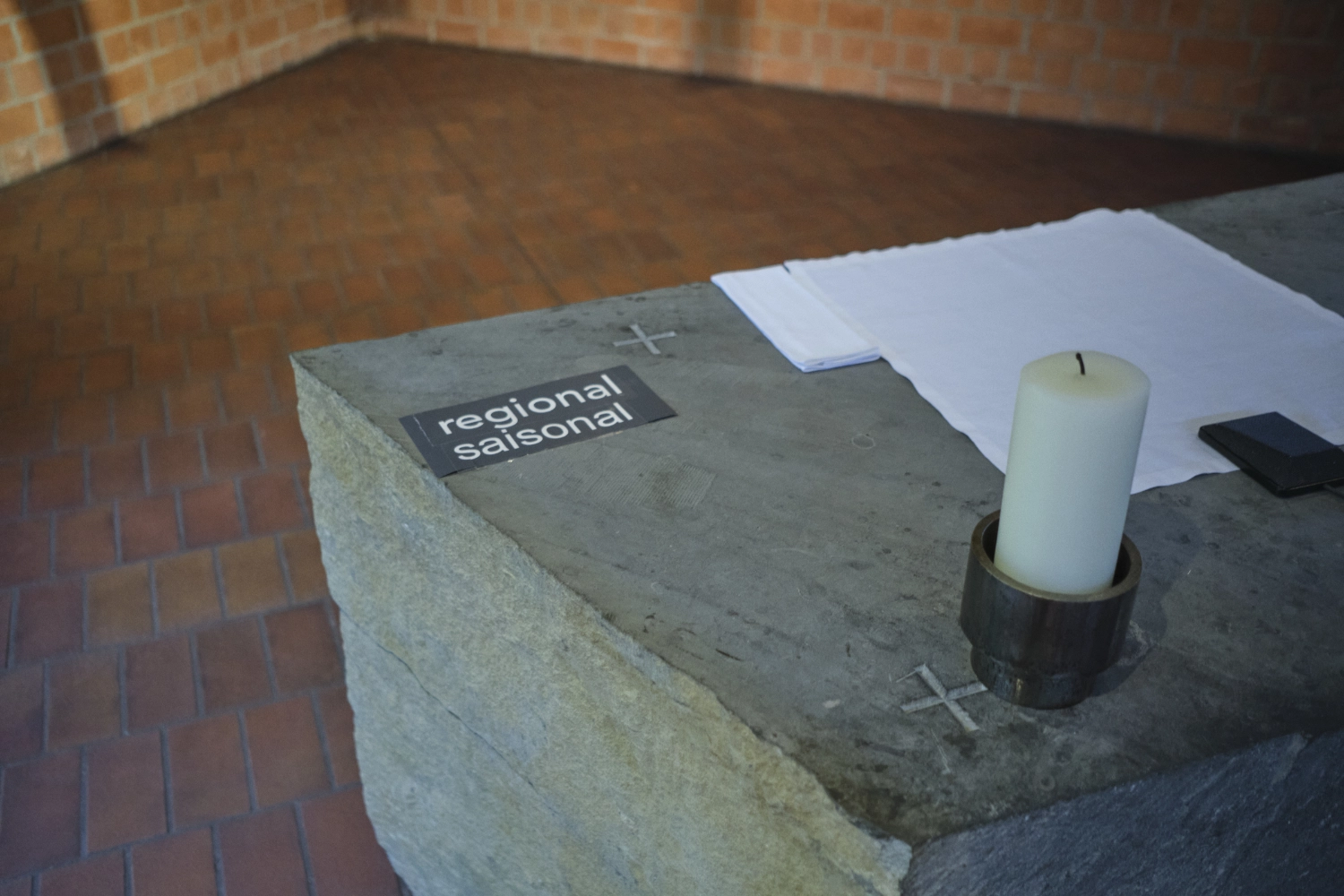
On the Jetelová altar lies a white fabric banner with the words FORTUNA IST RAUS sewn into it in plain laser-cut type. Three lines grow from the altar into the room: rays of a cross, and at the same time three stripes, each line made of three closely spaced parallel bands. And just as gradually as everything appeared, it disappears again. In the end the room has withdrawn into itself, as if nothing had happened. Or almost nothing.
Epstein heard the sentence Fortuna ist raus on the radio in late May 2024, when Fortuna Düsseldorf missed promotion to the first division. But Fortuna is also the Roman goddess who distributes luck blindly, her eyes covered. The installation stretches between these two Fortunas: between football stands and liturgy, brand logo and gesture of blessing, the invisible hand of the market and the promise of being held by God. The coverings that are meant to protect also expose the vulnerability of what they enclose — the artworks, the room, faith itself. All of it depends on being affirmed, again and again, in order to hold.
Pax Christi is no neutral place for this. Its founding priest Karl-Josef Maßen (1931–2017) understood contemporary art as a site of doubt and of open perspectives on the content of faith, a critical companion to the liturgy that keeps a congregation from settling into self-satisfaction. Works by Joseph Beuys, Ulrich Rückriem, Magdalena Jetelová, Günther Uecker, Klaus Rinke, Klaus Staeck and Shimotani run through the brick building — art that does not illustrate, but confronts. FORTUNA takes Maßen at his word and carries doubt back into the room: existing works are wrapped, overlaid, placed in a new light — temporarily, without a trace, and yet as an intervention that sparked lively debate at the artist talk.
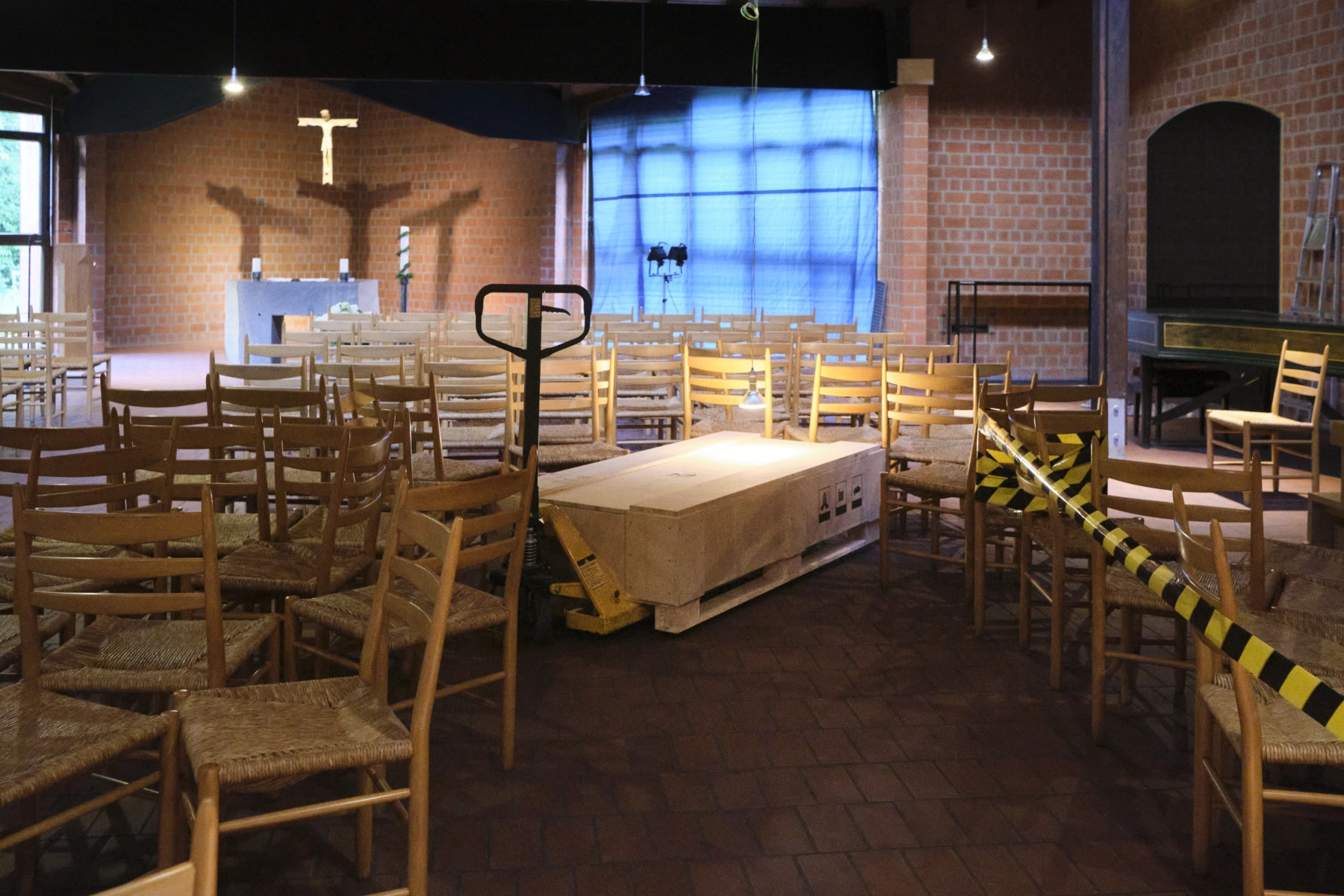
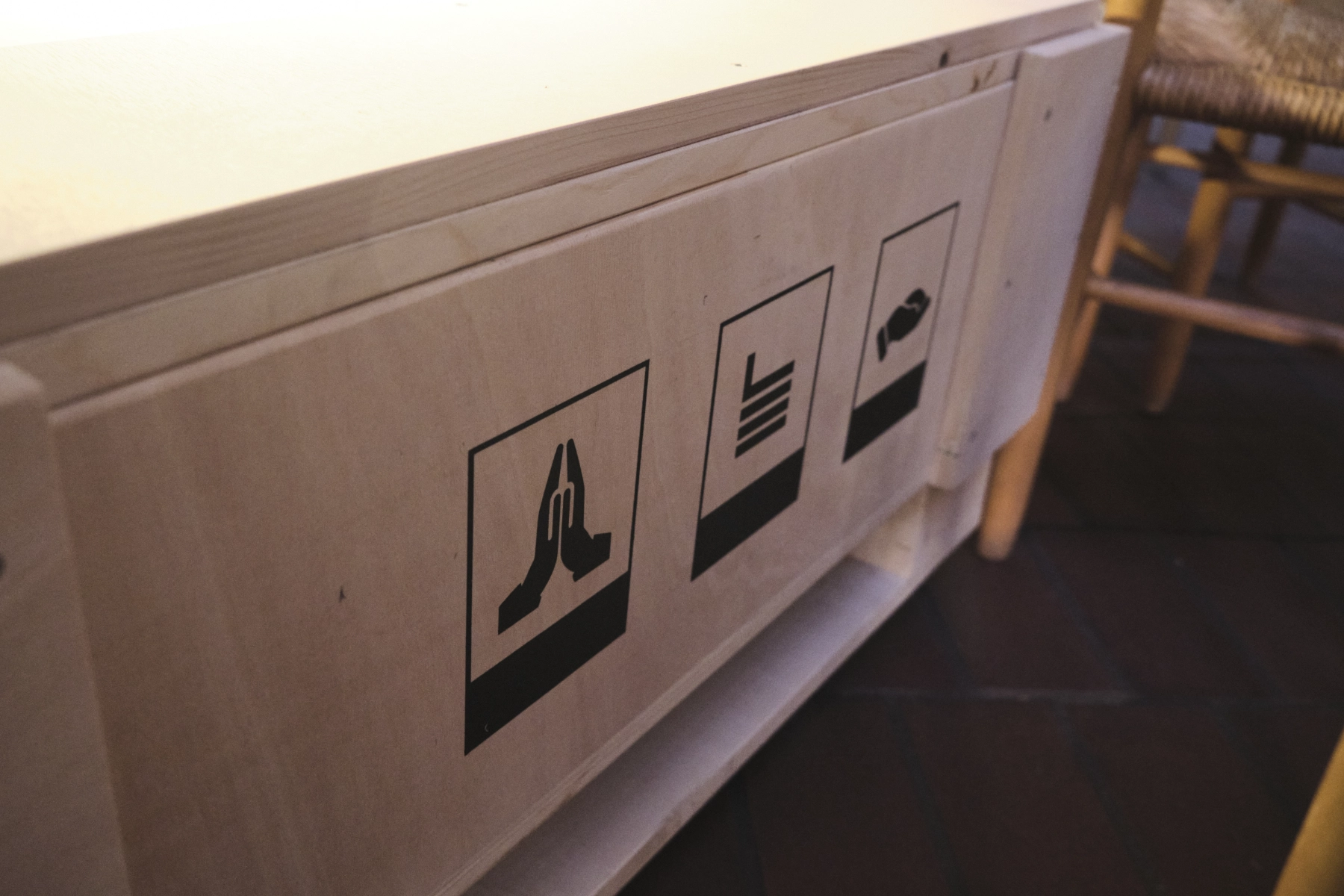
During the exhibition a coffin-like art transport crate was driven into the rows of chairs on a pallet truck and set down four rows from the back: sandbox pilgrimage temporarily found its place in Pax Christi. One of the evenly spaced ceiling lights was extended with a yellow-green earthing cable and aimed at the lettering on the crate’s side: Art. open here.
The exhibition opened one month before the birth of Epstein’s daughter. That, too, is part of this work: a body in transition, a room in transition — and in between, the question of how luck can be distributed well.
in easy words
FORTUNA is an artwork.
It is an installation.
An installation is an art room.
This installation was in a church.
The church is called: Pax Christi.
It is in Krefeld, Germany.
The artwork was there from April to June 2025.
Pax Christi is a special church.
People call it a Kunstkirche.
That is German for: art church.
There is a lot of art in this church.
The art is from famous artists.
The art has been there for many years.
The priest of this church was Karl-Josef Maßen.
He collected the art.
He said:
Art may ask questions.
Art may show doubt.
Doubt means: you are not sure.
Even in a church, doubt is allowed.
My artwork also asks questions.
FORTUNA grew slowly.
Every week something new appeared.
I wrapped some artworks in bubble wrap.
I packed chairs in plastic.
I hung nets in front of the windows.
Words appeared on the walls.
One text said: Fortuna ist raus.
This means: Fortuna is out.
On the altar I put a white banner.
An altar is the special table in a church.
The words FORTUNA IST RAUS were sewn into the banner.
Three long lines grew on the floor.
They started at the altar.
Every line is made of 3 stripes.
Then the artwork slowly disappeared again.
At the end, the church looked like before.
Why is the artwork called FORTUNA?
Fortuna is a football club in Düsseldorf.
In 2024 I heard on the radio: Fortuna lost.
Fortuna is also a goddess.
A goddess is a female god.
Fortuna is the goddess of luck.
She gives luck to people.
But she cannot see.
So nobody knows: who gets the luck?
My artwork asks:
What do people believe in?
Some people believe in God.
Some people believe in money.
Some people believe in brands or football.
Believing gives people hope.
But believing can also break.
Some visitors liked the artwork.
Some visitors did not like it.
We talked about it together in the church.
That was good.
Art can start these talks.
During the exhibition a big wooden crate came into the church.
The crate looks a little bit like a coffin.
A coffin is the box for a dead person.
The crate is also an artwork.
It is called: sandbox pilgrimage.
You can read about it on another page.
The exhibition started one month before my daughter was born.
So this time was special for me.
My body changed.
The church changed.
Both belong to this artwork.
I made this artwork together with: Büro für Produktbeschwerung.
Sebastian Blasius invited me to the church.
FORTUNA was my second solo exhibition in Krefeld.
A solo exhibition means: an exhibition with art from only one artist.
My first one was The Bar.
The Bar was in the Kaiser Wilhelm Museum.
Images 1–5, 7, 8, 10–12 Installation view FORTUNA (gut verteilen) Kunstkirche Pax Christi, Krefeld, 2025
Image 6 Liora Epstein applying the wall lettering, 2025
Image 9 Performance, Kunstkirche Pax Christi, 2025
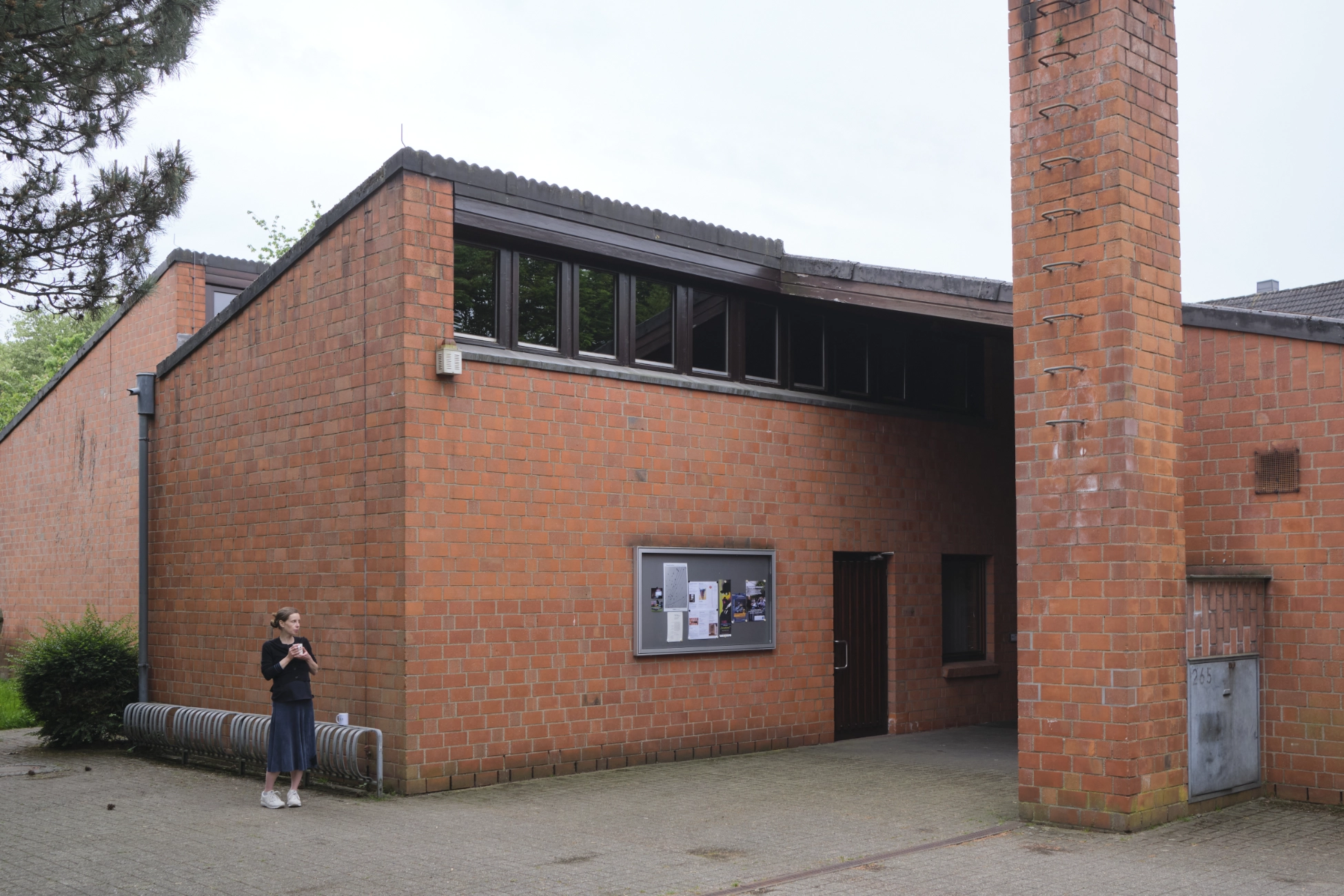
Image 13 Exterior view, Kunstkirche Pax Christi, 2025
Photos by Felix Adam
© VG Bild-Kunst, Bonn